Night shift workers in Chicago need apartments built around a reversed clock, not a lease template designed for a 9-to-5 tenant. Sleep happens between roughly 8 a.m. and 4 p.m., commutes run against rush hour, and the building's daytime personality matters more than its nighttime one. This guide breaks down what actually changes the search for apartments for night shift workers in Chicago, and where a building like Stead 220 in Fulton Market fits.
- Apartments for night shift workers in Chicago hinge on daytime sound control, not neighborhood hype.
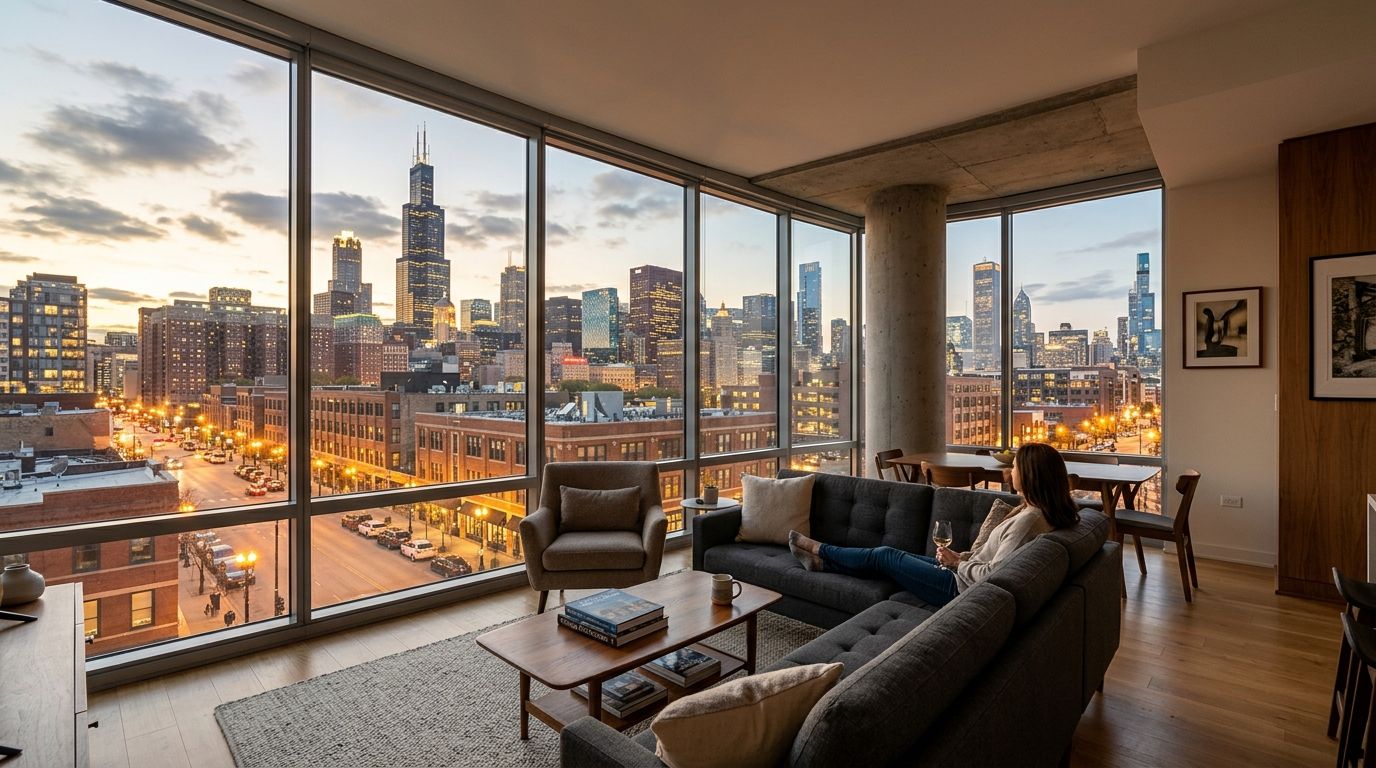
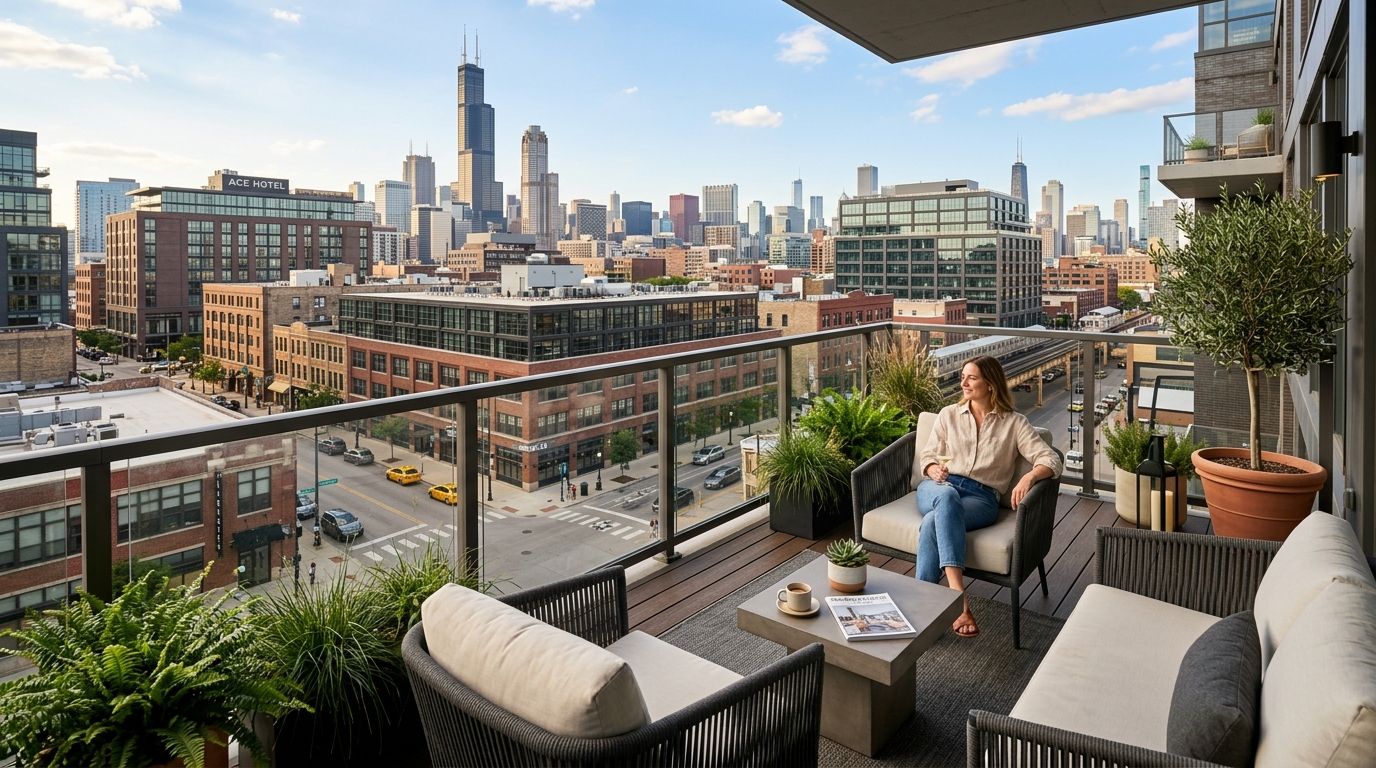
- Stead 220 sits in Fulton Market, a corridor built around late-night restaurant and industrial activity, so unit orientation matters more than floor count.
- Furnished, shorter-term options serve travel nurses and contract shift workers better than standard 12-month leases.
- Staffed entry hours matter more for a 4 a.m. commute home than granite countertops.
- Confirm a building's daytime noise profile before signing a lease in 2026, not after the first bad sleep.
Why this matters for night shift workers
A night shift worker's "quiet hours" run opposite the building's. Deliveries, construction, dog walkers, and neighbors on normal schedules are loudest exactly when a night shift renter needs to sleep. Fulton Market compounds this: it's a former meatpacking district now packed with restaurants, bars, and event venues that stay active well past midnight and start service prep again by mid-morning.
That means the standard apartment-hunting checklist, walkability, square footage, granite counters, misses the variables that actually determine whether a night shift renter sleeps well in 2026. The building's construction, unit orientation, and staffed hours matter more than almost anything else on the listing. Before touring, it's worth learning how to research a building's noise levels rather than relying on a daytime walkthrough alone.
How to find apartments for night shift workers in Chicago
Test the building's noise profile before you sign
A daytime tour tells you nothing about a building's acoustic behavior when you're trying to sleep at 11 a.m. on a Tuesday.
- Ask the leasing office directly what floor and side of the building tend to get noise complaints
- Check whether the unit faces a loading dock, alley, or restaurant patio
- Look up the building's construction type; concrete and steel high-rises dampen sound better than older wood-frame conversions
- Ask if the unit has been re-carpeted or has exposed hardwood over a shared floor plate
- Visit at the loudest realistic hour for your schedule, not the leasing office's preferred showing time
Prioritize unit orientation and window treatment over floor count
A higher floor doesn't guarantee quiet if the unit faces a busy corridor or gets full afternoon sun through unlined glass.
- Ask which direction the unit faces and cross-reference it with the building's street-level activity
- Confirm whether windows include any blackout-compatible treatment or if you'll need to add your own
- Check for double-pane or laminated glass, standard in most newer Fulton Market construction
- Avoid units directly above ground-floor retail with early opening hours
- Ask whether HVAC or mechanical equipment sits near the unit, since compressors and fans run on their own schedule
Confirm staffed entry hours for your actual commute time
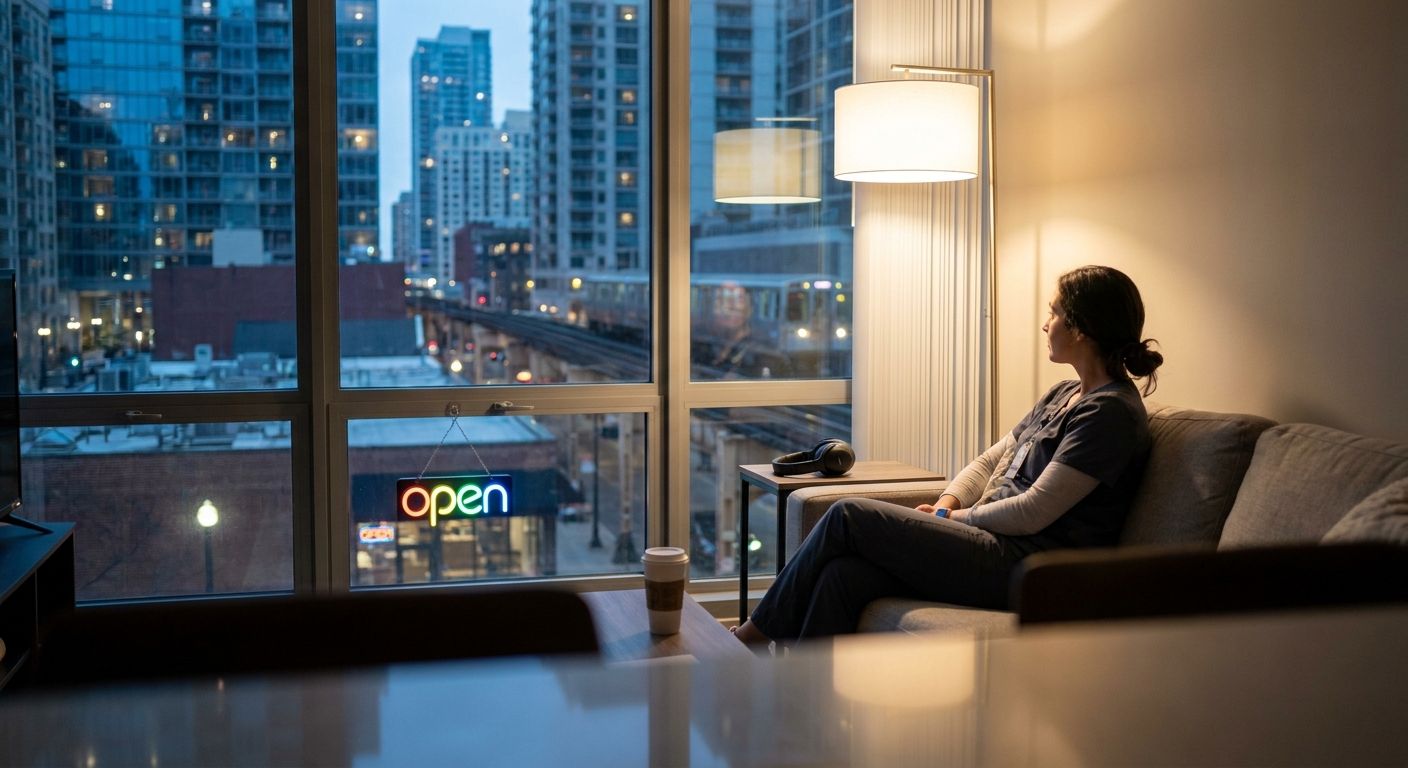
Coming home at 4 a.m. is a different security question than coming home at 6 p.m., and not every building staffs the front desk around the clock.
- Ask what hours the front desk or concierge is staffed, not just "is there a front desk"
- Confirm whether keyless entry or a fob system covers the gap when staff isn't on-site
- Some Fulton Market buildings market staffed entry and doorman coverage as a standing feature; ask what that actually covers after midnight
- Check garage or bike storage access hours if you commute by car or e-bike
- Ask how visitors or late deliveries are handled outside staffed hours
“If the leasing office can't tell you the building's staffed entry hours after midnight, keep touring.”
Build in amenities you can actually use on your schedule
A rooftop pool or fitness center is only useful to a night shift renter if it's accessible when they're actually awake.
- Ask whether fitness center and pool access is tied to staffed hours or works on a resident fob 24 hours
- Stead 220, a 308-unit community at 220 N. Ada Street in Fulton Market, includes a rooftop pool and a fitness center among its amenities, ask any building the same access questions before assuming
- Confirm laundry and package rooms aren't locked behind office hours you'll never be awake for
- Check if common spaces have quiet-hour policies that protect daytime sleepers on lower floors
- Ask about resident lounges or coworking spaces if you need a workspace during your "evening" that's really midday
Compare lease length against your shift pattern
Contract and travel workers on rotating assignments have different lease math than someone settling into a permanent night shift.
- Standard 12-month leases suit renters with a stable, ongoing night shift schedule
- Shorter or furnished terms suit contract workers; furnished apartments built for travel nurses are a closer fit for 8-13 week rotations
- Ask about sublet or lease-break policies in case your shift pattern changes mid-lease
- Confirm whether utilities are included, since a reversed schedule can mean higher off-peak HVAC use
- Check move-in flexibility if your start date depends on an onboarding schedule, not a calendar month
Map your commute against Chicago's reduced late-night transit
CTA bus and rail frequency drops sharply after midnight, and that gap changes which neighborhoods are realistic for a night shift commute.
- Check actual overnight frequency for your specific line, not just daytime schedules
- Factor in walking distance from the stop to your door during low-light hours
- Price out rideshare as a backup for shifts that end outside transit windows
- If you drive, confirm attached or on-site parking rather than relying on street parking after a long shift
- Consider proximity to your workplace over proximity to nightlife if your "night out" hours are actually daytime
Ask about mail and package security for daytime absences
Most deliveries arrive during standard business hours, exactly when a night shift renter is asleep or at work.
- Ask whether the building has secure package lockers versus an unattended lobby drop
- Confirm refrigerated or oversized package handling if that matters to your routine
- Check if packages left unattended are covered by any building policy
- Ask how the building handles delivery notifications if you sleep through daytime alerts
Comparison: housing options for Chicago night shift workers
| Option | Best for | Key limitation | Verdict |
|---|---|---|---|
| Stead 220 (Fulton Market high-rise, 308 units) | Night shift workers who want daytime quiet plus on-site amenities | Sits in an active restaurant corridor, so unit-facing choice matters | Buy |
| Furnished travel-nurse apartments | Contract workers on short rotations with unpredictable shift blocks | Short lease terms mean less say over floor plan or sun exposure | Consider |
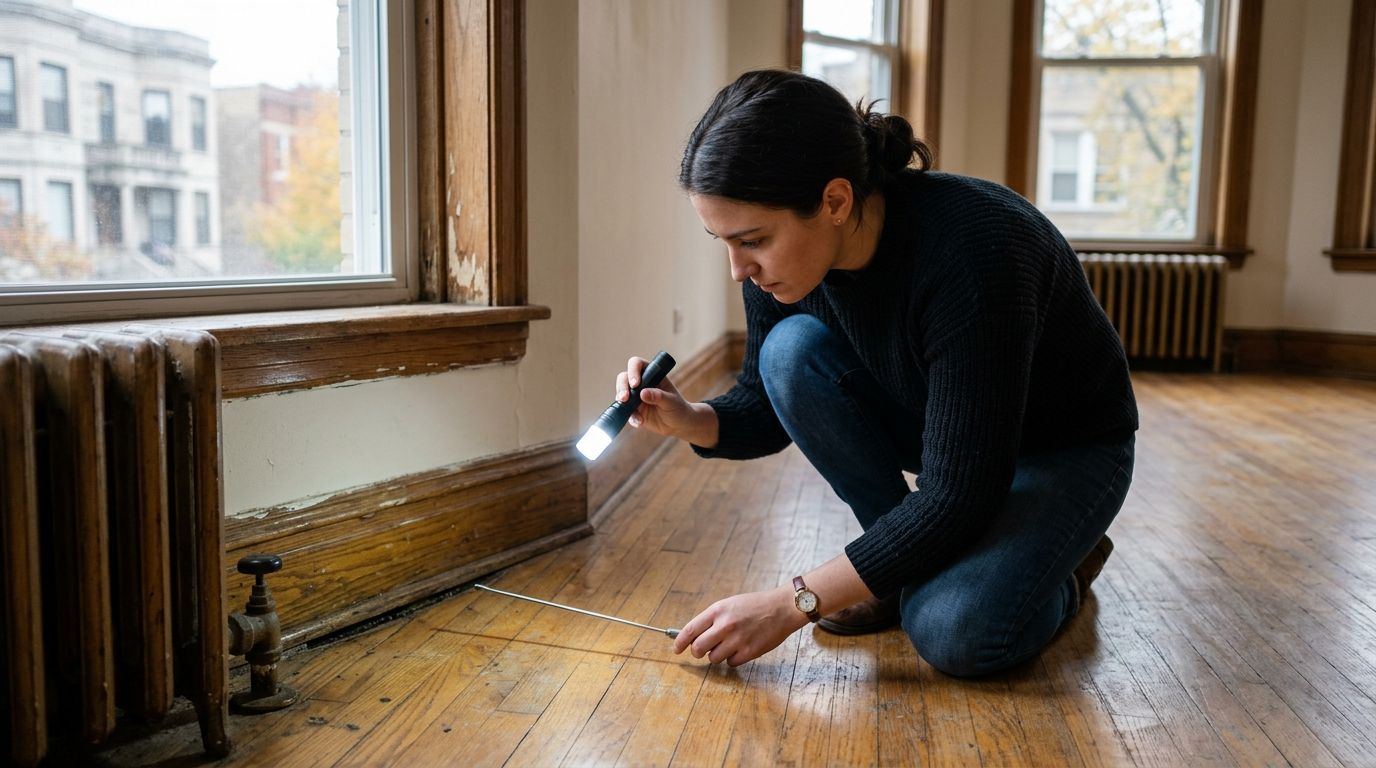
| Vintage West Loop walk-ups | Renters prioritizing lower move-in cost over daytime sound control | Thinner construction and street noise disrupt daytime sleep | Skip if noise-sensitive |
| Apartments near hospital campuses | Medical residents and nurses minimizing commute after overnight shifts | Fewer building amenities, often older building stock | Hold |
Tour Stead 220 on your schedule
See unit orientation, entry hours, and amenity access before you sign.
Common mistakes night shift renters make in Chicago
- Touring only during business hours. A building that looks calm at 10 a.m. can be loud with restaurant deliveries and construction crews by noon, exactly when a night shift renter is trying to sleep.
- Skipping package security questions. Renters who work overnight are rarely home when standard deliveries arrive, so an unsecured lobby drop becomes a daily risk.
- Choosing a unit facing an alley or loading dock for the lower listed floor. Early morning delivery trucks and dumpster pickups run on schedules that clash directly with daytime sleep.
- Assuming staffed hours cover the whole day. Many buildings staff the desk during standard business hours only, leaving a gap during the exact hours a night shift renter is coming and going.
- Underestimating the overnight transit gap. CTA frequency drops well after midnight, and a commute that looks reasonable on a daytime schedule can add 20-30 minutes of waiting overnight.
FAQ
What's the best Chicago neighborhood for night shift workers?
Fulton Market and West Loop work well for night shift workers who need daytime building quiet and staffed entry, provided the specific unit doesn't face the restaurant corridor directly. Proximity to your workplace matters more than nightlife access when your evening is actually daytime.
Is Fulton Market too loud for someone who sleeps during the day?
Fulton Market's street level is busy with restaurant and delivery activity, but newer construction with concrete floors and laminated glass, like Stead 220's building, dampens most of that noise inside the unit. Ask specifically about unit orientation before ruling the neighborhood out.
How do I check a building's noise level before signing a lease?
Ask the leasing office which units get noise complaints, visit at the hour you'd actually be sleeping, and check the construction type and window glazing. A daytime-only tour will not reveal how the building behaves during your real sleep window.
Do Chicago apartment buildings offer 24-hour staffed entry?
Some buildings advertise staffed entry or doorman coverage, but the actual hours vary widely. Confirm exactly what hours are staffed and what covers entry outside those hours, such as fob or keyless systems.
Are furnished apartments a good option for travel nurses working nights?
Furnished, shorter-term apartments suit travel nurses and other contract night shift workers better than standard 12-month leases because assignments typically run 8 to 13 weeks. Standard leases make more sense once a night shift schedule is permanent.
What amenities matter most for night shift renters?
Amenity access hours matter more than the amenity list itself. A rooftop pool or fitness center is only useful if it's accessible on a resident fob outside staffed hours, not locked to a daytime schedule.
Is a high-rise or low-rise building better for daytime sleep?
High-rises with concrete and steel construction generally dampen street noise better than low-rise or converted wood-frame buildings. Floor height matters less than construction type and which direction the unit faces.
One last thing
The hour that breaks most night shift leases isn't midnight, it's the 2 to 4 a.m. window when a shift actually ends and a renter is walking home alone. That's the exact gap where staffed entry hours, keyless fob coverage, and lobby lighting matter most, and it's also the detail most renters forget to ask about during a normal daytime tour. Ask specifically what happens at your actual arrival hour, not the leasing office's business hours, before you sign anything in 2026.