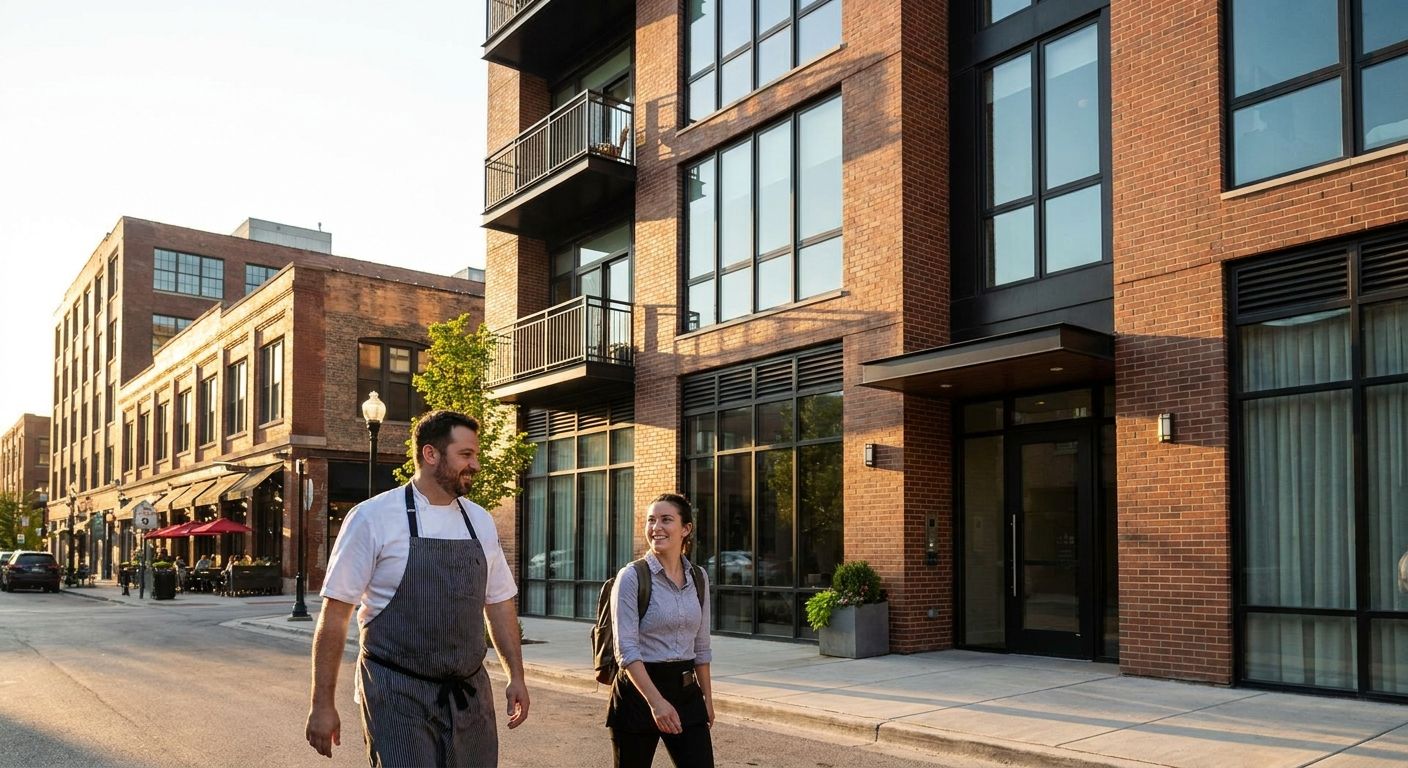
Restaurant industry apartments in Fulton Market put line cooks, servers, chefs, and general managers a short walk from the highest concentration of restaurant jobs in Chicago, with a building rhythm built around late nights instead of a 9-to-5 clock. Shift schedules that end at midnight or later change what "good building" means: access hours, noise exposure, and package pickup matter more than granite counters.
Why this matters: Fulton Market's restaurant corridor runs later and louder than almost any other stretch in the city, and a lease signed around daytime assumptions gets uncomfortable fast once the closing shift becomes your normal. Stead 220 sits inside that corridor at 220 N. Ada Street, a 308-unit building where keyless access and a rooftop pool matter differently to someone clocking out at 1 a.m. than to someone clocking in at 9.
- Stead 220's 308 units in Fulton Market sit inside walking distance of the neighborhood's restaurant corridor for 2026 renters on late shifts.
- Test your commute at your actual shift-end hour, not midday, before signing anything.
- Buildings with 24-hour access and package hours matter more to restaurant workers than daytime amenities.
- Extended-stay and furnished options cost more per month but fit seasonal kitchen contracts better than a standard lease.
Why apartments matter for restaurant industry workers in Fulton Market
Restaurant staff don't search apartments the way a 9-to-5 office worker does. A closing shift at a Restaurant Row kitchen can end well past midnight, and a GM covering a Saturday close might not get home until 2 a.m. That changes three things a standard apartment search skips: whether the building's front door and package room work at 2 a.m., whether the walk home passes anything unpleasant after last call, and whether next-day recovery amenities (a gym, a quiet unit) are actually usable on your schedule, not the building's.
A lease built around brunch-hour assumptions ignores the actual person renting it. Apartments near Fulton Market Restaurant Row put you inside that walk, which cuts the commute risk that daytime workers never think about.
Update your search: match the building to your shift, not the listing photos
Map your shift schedule against building access hours
Start with the building's operating hours before you tour a single unit. A leasing office open 9-to-6 tells you nothing about 1 a.m. entry.
- Confirm whether entry is keyless or requires a staffed desk after hours
- Ask when the package room locks and whether deliveries sit unattended overnight
- Check laundry room hours against your actual shift-end time
- Find out if guest access differs late at night versus daytime
Walk your commute at the hour you'll actually walk it
A five-minute walk on a map at noon is a different walk at 1 a.m. after a 10-hour shift on your feet.
- Time the walk from your restaurant to the building door at closing hour, not midday
- Note lighting, traffic, and how populated the block stays after midnight
- Check CTA bus and Blue Line schedules for your actual clock-out time, since late-night frequency drops
- Confirm rideshare pickup is realistic on that block at 2 a.m.
Compare buildings built for round-the-clock living
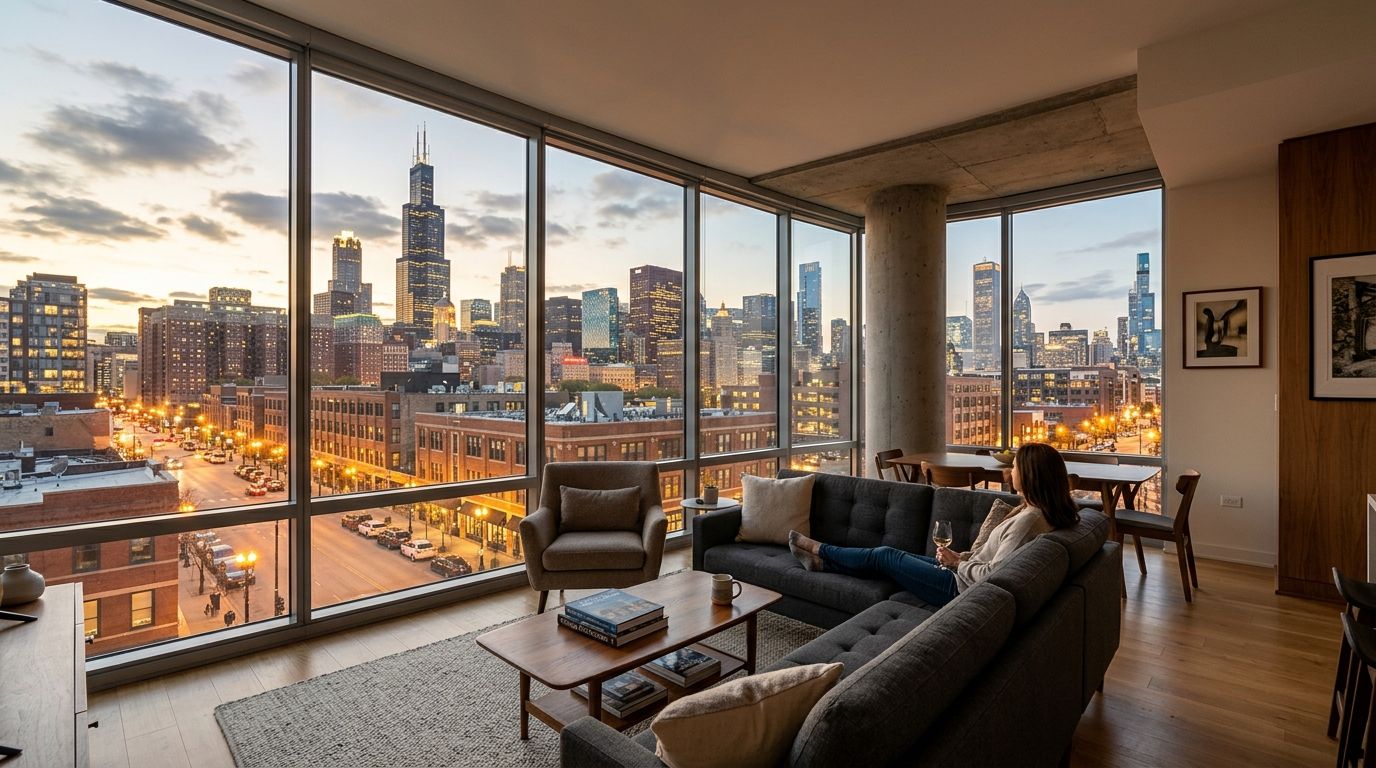
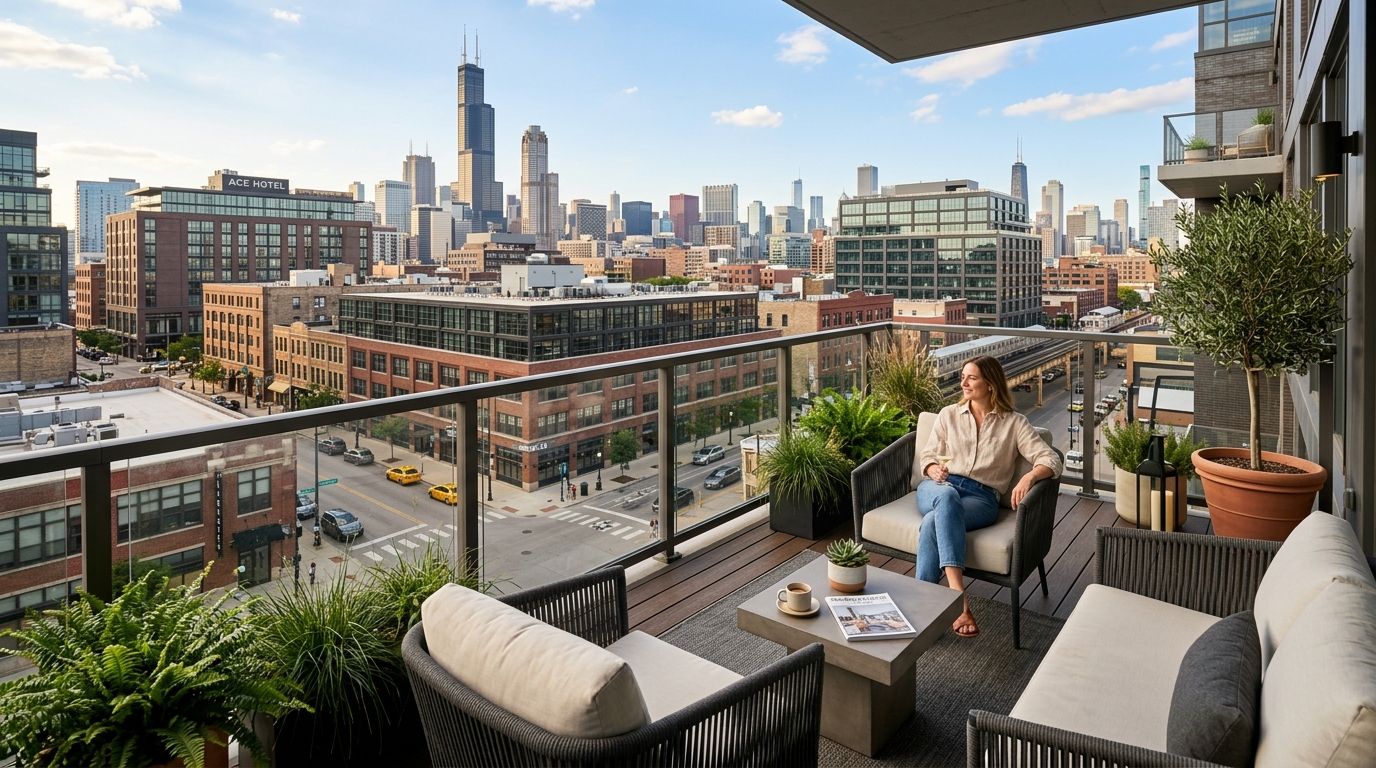
Once the manual research is done, the fastest way to shortcut it is choosing a building already designed around irregular hours. Stead 220 leases studios to two-bedroom homes at 220 N. Ada Street, inside Fulton Market's restaurant corridor, with a rooftop pool and a fitness center residents use on whatever schedule they keep, not a 9-to-5 one.
- Look for keyless, app-based entry that doesn't depend on a staffed desk
- Confirm the fitness center and pool operate on hours that fit a late-shift schedule
- Ask whether units on higher floors or interior-facing layouts cut down on street noise
- Check whether the building is within a short walk of Restaurant Row itself, not a bus ride from it
Check package and utility hours against night-shift arrivals
Restaurant workers get home after most building staff have gone home. That timing gap causes more move-in frustration than any amenity list.
- Ask how packages are handled once the concierge or package room closes
- Confirm whether maintenance requests submitted overnight get same-day attention
- Check that in-unit utilities (heat, hot water) don't depend on staffed hours to reset
- Verify whether the building has a locker system for after-hours pickup
Budget for irregular income before you apply
Tip income and variable restaurant pay complicate standard lease applications more than a salaried job does.
- Gather two to three months of pay stubs or POS reports showing tip income, not just base wage
- Ask the leasing office in advance what documentation they accept for tipped employees
- Have a guarantor or additional pay stub ready if your base hourly rate alone won't clear the income requirement
- Factor in slower shifts (holidays, off-season) when estimating monthly take-home
Decide how much noise you can live with
Restaurant Row doesn't go quiet at midnight. Bars and late kitchens run past most residential quiet hours elsewhere in the city.
- Ask what floor and unit orientation cut down on street-level bar noise
- Check whether the building faces the restaurant corridor directly or sits a block back
- Ask current residents (if possible) about weekend noise specifically, not weekday noise
- Confirm the building's own noise policy for late-arriving residents, since that protects you too
Time your move around restaurant hiring cycles
Kitchen and front-of-house hiring often spikes ahead of patio season and around major openings. Move-in timing that matches your new job's start date avoids a gap paying for two places, or none.
- Confirm your new employer's start date before locking a lease start
- Ask about short-notice or flexible move-in windows if your hire date moved up
- Avoid signing a full 12-month lease if your restaurant contract is seasonal
- Check whether the building allows early access to move belongings before your official start date
See if Stead 220 fits your schedule
Studios to two-bedrooms at 220 N. Ada Street, steps from Fulton Market's restaurant corridor.
Comparing your options as a restaurant industry renter
| Option | Best for | Key limitation |
|---|---|---|
| Stead 220, Fulton Market | Kitchen and front-of-house staff working nights near Restaurant Row | Studio to two-bedroom layouts only; no true micro-units |
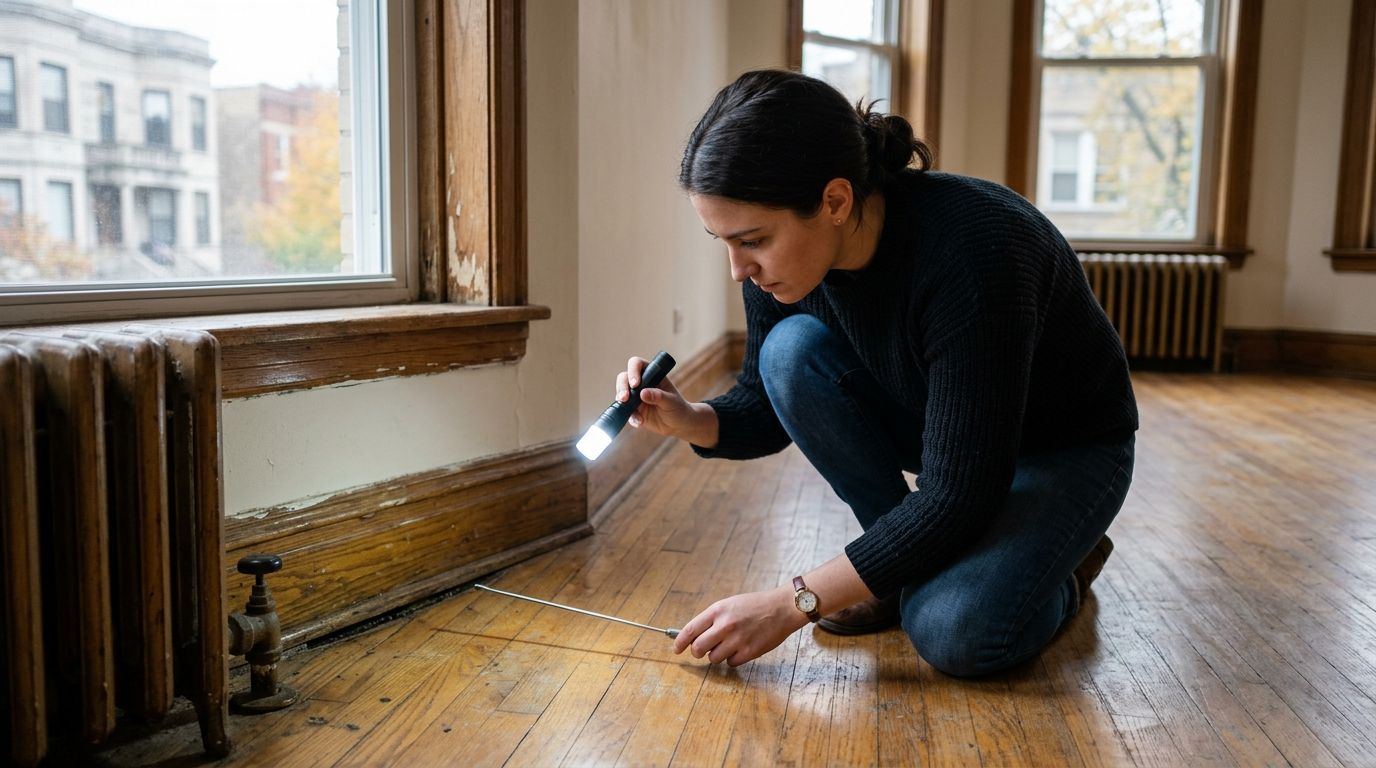
| Vintage walk-ups in Fulton Market/West Town | Renters wanting lower density, sometimes off-street parking | No 24-hour desk; stairs after a closing shift; higher package theft risk |
| High-rises further from Restaurant Row | Staff commuting across multiple West Loop restaurant groups | Longer walk back to the restaurant corridor itself |
| Extended-stay/furnished units | Seasonal or contract kitchen staff on short assignments | Higher month-to-month cost; fewer two-bedroom share options |
Verdict: Stead 220 is the strongest fit for restaurant workers who want a short, safe walk to Fulton Market's restaurant corridor and building systems that work at 2 a.m., not just 2 p.m.
Common mistakes restaurant workers make renting here
- Testing the walk at the wrong hour. A block that feels fine at noon reads differently after a solo walk home at 1 a.m.
- Ignoring quiet-hour mismatches. Bars near Restaurant Row don't close on a residential schedule, and a unit facing the street inherits that.
- Skipping documentation prep for tip income. Leasing offices unfamiliar with tipped wages can stall an application that a little advance paperwork would clear fast.
- Signing a 12-month lease against a seasonal contract. Kitchen staff on short-term assignments often overcommit on lease length.
- Choosing proximity over building hours. Being three minutes from work does nothing if the package room and front door don't work past 10 p.m.
“If your commute ends after last call, the building's quiet hours matter more than its lobby.”
FAQ
What's the best apartment area for restaurant workers in Fulton Market?
The blocks directly around Fulton Market's Restaurant Row give the shortest, safest commute for late-shift restaurant staff in 2026. Buildings with 24-hour access matter more here than in most Chicago neighborhoods because shifts routinely end after midnight.
Is Fulton Market walkable to restaurant industry jobs?
Yes, Fulton Market concentrates a large share of Chicago's high-volume restaurants within a compact walking radius. Staff living inside the neighborhood typically avoid a transit commute entirely for their shift.
How do restaurant workers budget for irregular income when applying for an apartment?
Gather two to three months of pay stubs or POS tip reports before applying, since standard income checks assume a flat salary. Ask the leasing office directly what documentation they accept from tipped employees before you tour.
Does Fulton Market have late-night transit for restaurant shifts?
CTA bus and rail service runs later into the night but at reduced frequency, so late-shift workers should confirm actual departure times for their clock-out hour rather than assume daytime schedules apply. Rideshare pickup on well-lit, populated blocks is the more reliable option after midnight.
What amenities matter most for restaurant industry renters?
Keyless 24-hour entry, package hours that don't lock before a closing shift ends, and fitness or recovery space usable on an irregular schedule matter more than daytime-only perks. A rooftop pool or gym only helps if it's accessible when you actually have time off.
Is Stead 220 a good fit for kitchen staff and servers?
Stead 220 leases studios to two-bedroom homes at 220 N. Ada Street inside Fulton Market, within walking distance of the neighborhood's restaurant corridor. Its 308 units include a rooftop pool and fitness center residents can use outside a standard daytime schedule.
How far is Stead 220 from Fulton Market's Restaurant Row?
Stead 220 sits inside the Fulton Market restaurant corridor itself rather than commuting distance from it, which is the main advantage for late-shift restaurant staff. Walking the route at your actual shift-end hour before signing is still the right way to verify it fits your routine.
Can restaurant workers move in without traditional pay stubs?
Most Chicago leasing offices in 2026 accept alternative income documentation like POS tip reports or employer letters for tipped staff, but policies vary by building. Confirm accepted documentation with the leasing office before you apply, not after.
One last thing
The detail restaurant workers skip most often isn't the commute or the rent. It's whether the building's overnight systems, keyless entry, package lockers, and maintenance response, actually function at 2 a.m. A lobby that photographs well at noon means nothing to someone walking in after a double. Test the building the way you'll actually live in it, at the hour you'll actually be home, before you sign anything in 2026.