Apartments for art collectors in Fulton Market means specific wall runs, elevated ceilings, and freight access that let a rotating collection breathe instead of stack in a closet. Collectors don't shop square footage first — they shop unbroken wall length, natural light angle, and a loading dock that won't scratch a crated canvas on the way up.
- Apartments for art collectors in Fulton Market need continuous wall runs, not just square footage.
- Stead 220 at 220 N. Ada Street offers corner residences with oak hardwood floors as a neutral backdrop for hung work.
- Freight elevator access matters more than lobby finish when moving crated or framed pieces over 40 inches.
- Private storage units solve the overflow problem most collectors hit within 18 months of moving in.
Why apartments for art collectors matter in Fulton Market
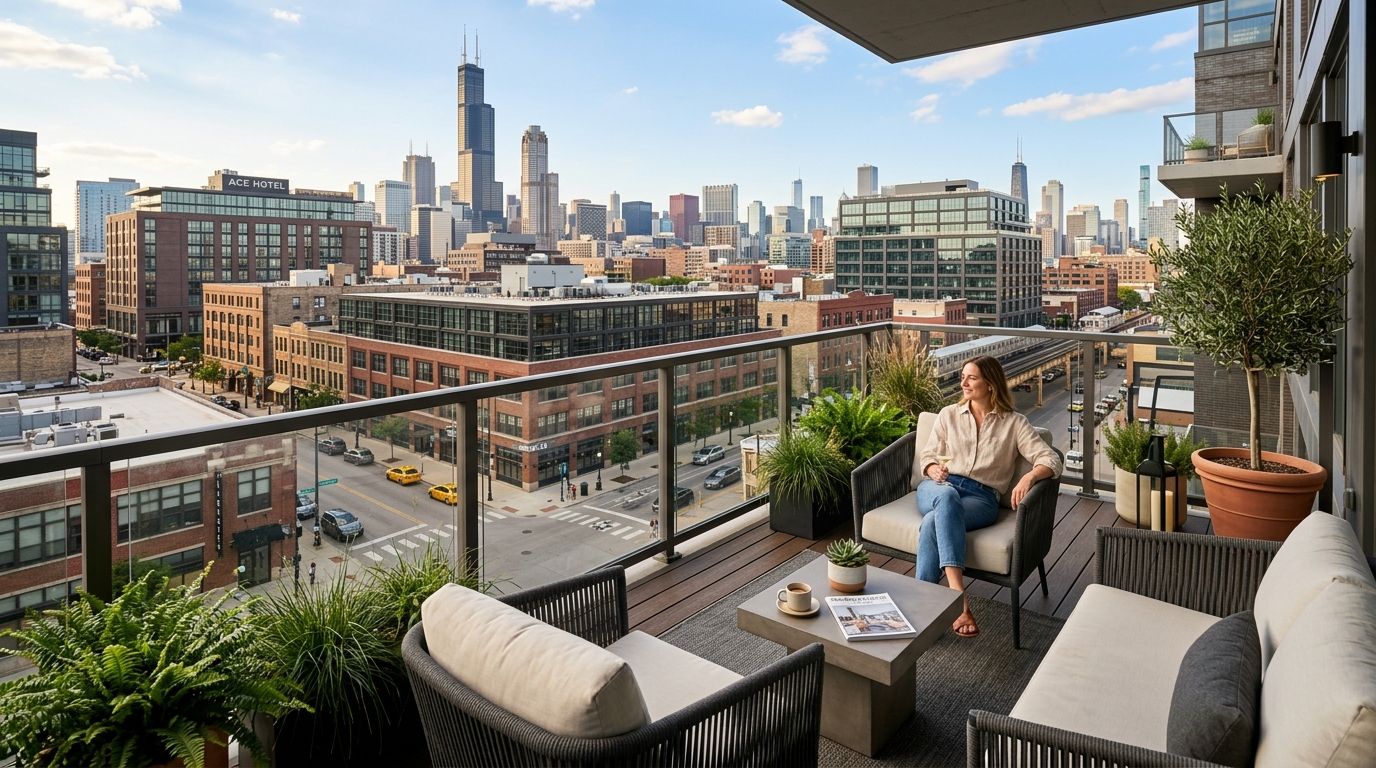
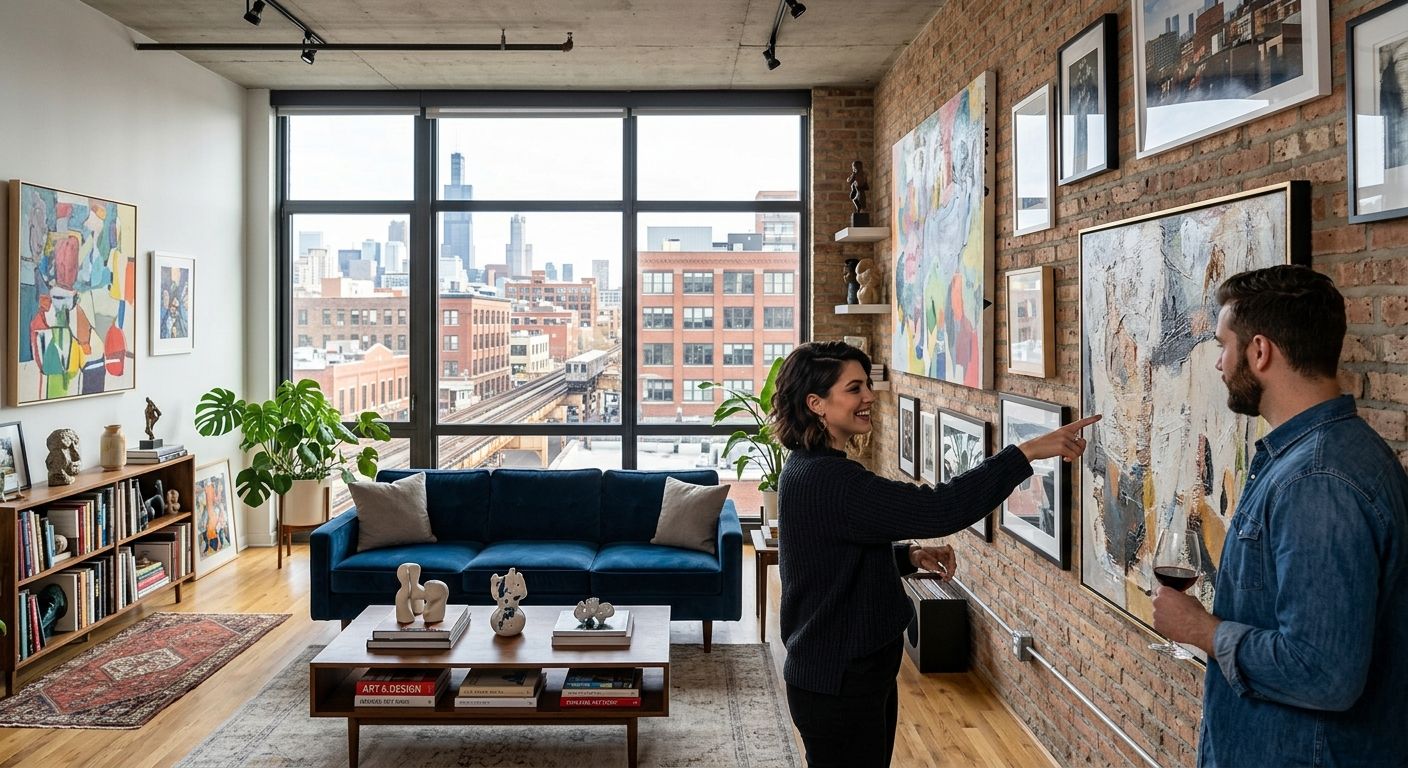
Fulton Market's industrial stock — exposed brick, tall ceilings, steel-frame windows — reads like a built-in gallery to renters who hang serious work. That's part of why the neighborhood pulls collectors away from River North's tighter high-rise floor plates and toward buildings that were warehouses before they were apartments.
The problem is that most listings market square footage and finish level, not wall geometry. A 900-square-foot one-bedroom with a broken-up floor plan and low door frames can be worse for a collection than a 700-square-foot unit with one long, uninterrupted wall and 10-foot ceilings. Renters who collect art learn to ask different questions on tour than the renter chasing granite counters.
Measure your wall runs before you tour
Do this before you set foot in a building, not after you've fallen for the lobby.
- Pull the floor plan PDF and measure continuous wall length in feet, not room square footage
- Flag any wall interrupted by a thermostat, outlet bank, or HVAC register at eye level
- Note ceiling height on the plan — 9 feet is standard, 10-plus feet changes what scale of piece works
- Check window placement so afternoon sun doesn't hit a wall you plan to hang on
- Confirm door and hallway widths against your largest framed piece before you sign anything
Check ceiling height and natural light exposure
Ceiling height decides scale. A gallery-scale diptych needs 10 feet of clearance to breathe above the frame; most Chicago apartment stock caps out at 9.
- Ask leasing staff for exact ceiling height in feet, not "tall ceilings" marketing language
- Request the unit's compass orientation to gauge direct sun hours on hanging walls
- Look for exposed structural elements (steel beams, concrete columns) that can double as sculptural display points
- Test whether floor-to-ceiling windows compete with or complement wall space for hanging
Confirm freight elevator and loading access
This is the step collectors skip until move-in day, and it's the one that causes the most damage. A freight elevator sized for crates and a loading dock with a level approach protect framed glass and stretched canvas far better than a passenger elevator and a curb cut.
- Ask the property's freight elevator interior dimensions before booking a moving crew
- Confirm loading dock hours and whether a reservation system exists for move day
- Check for a service entrance separate from the residential lobby
- Ask whether art handlers or professional movers have serviced the building before
Ask about storage for overflow pieces
Collections grow faster than wall space. Renters who don't plan for rotation end up with bubble-wrapped canvases leaning against a bedroom wall within a year.
- Ask if the building offers private, lockable storage units separate from a bike room
- Confirm climate control in any storage area — unconditioned basements damage canvas and frames
- Measure storage unit door width against your largest crated piece
- Ask whether storage access requires advance notice or is available on demand
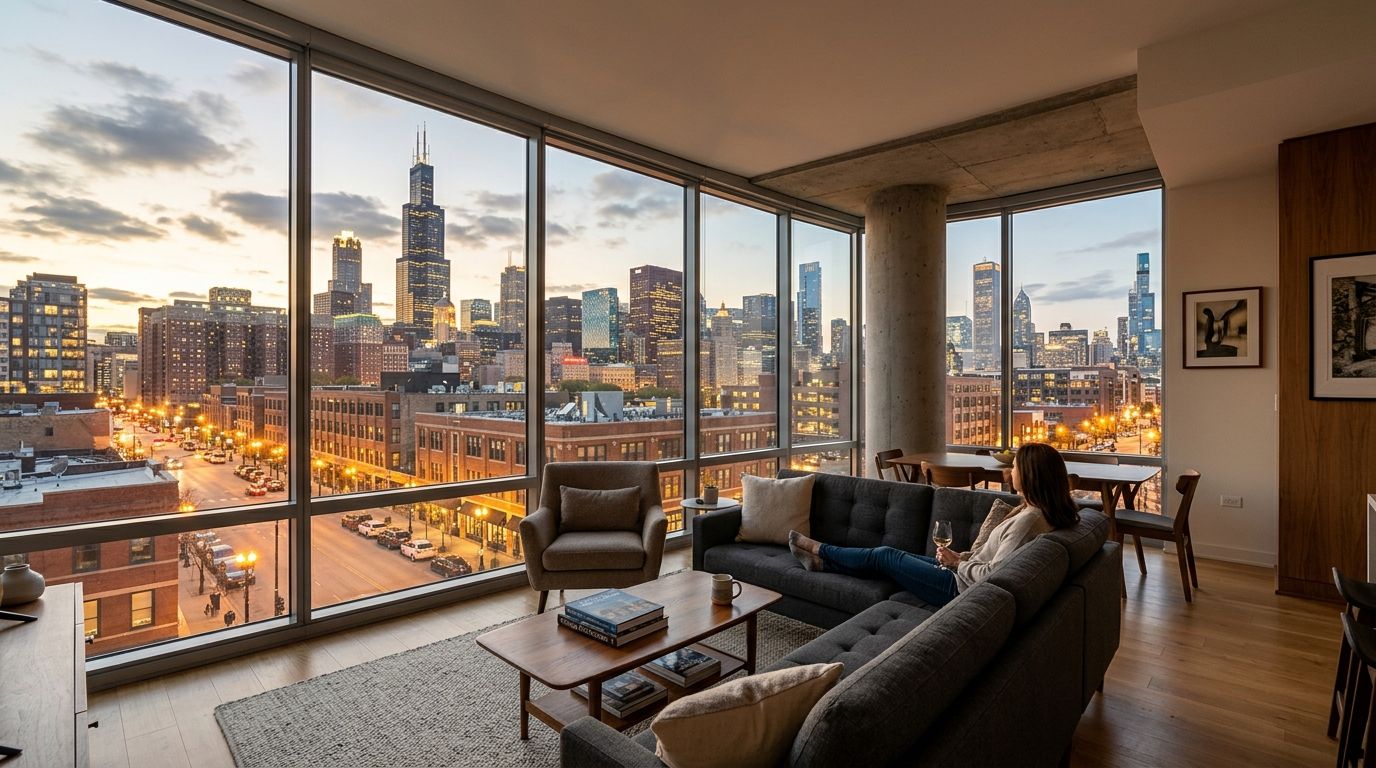
Stead 220, the 308-unit community at 220 N. Ada Street, pairs corner residences with oak hardwood floors as a neutral, gallery-style backdrop, and offers private storage units for renters managing overflow inventory between hangs. That combination — continuous wall runs plus a place to rotate stock — is the actual differentiator for a collector, not the rooftop pool photo.
Test the walls before you commit to a hanging system
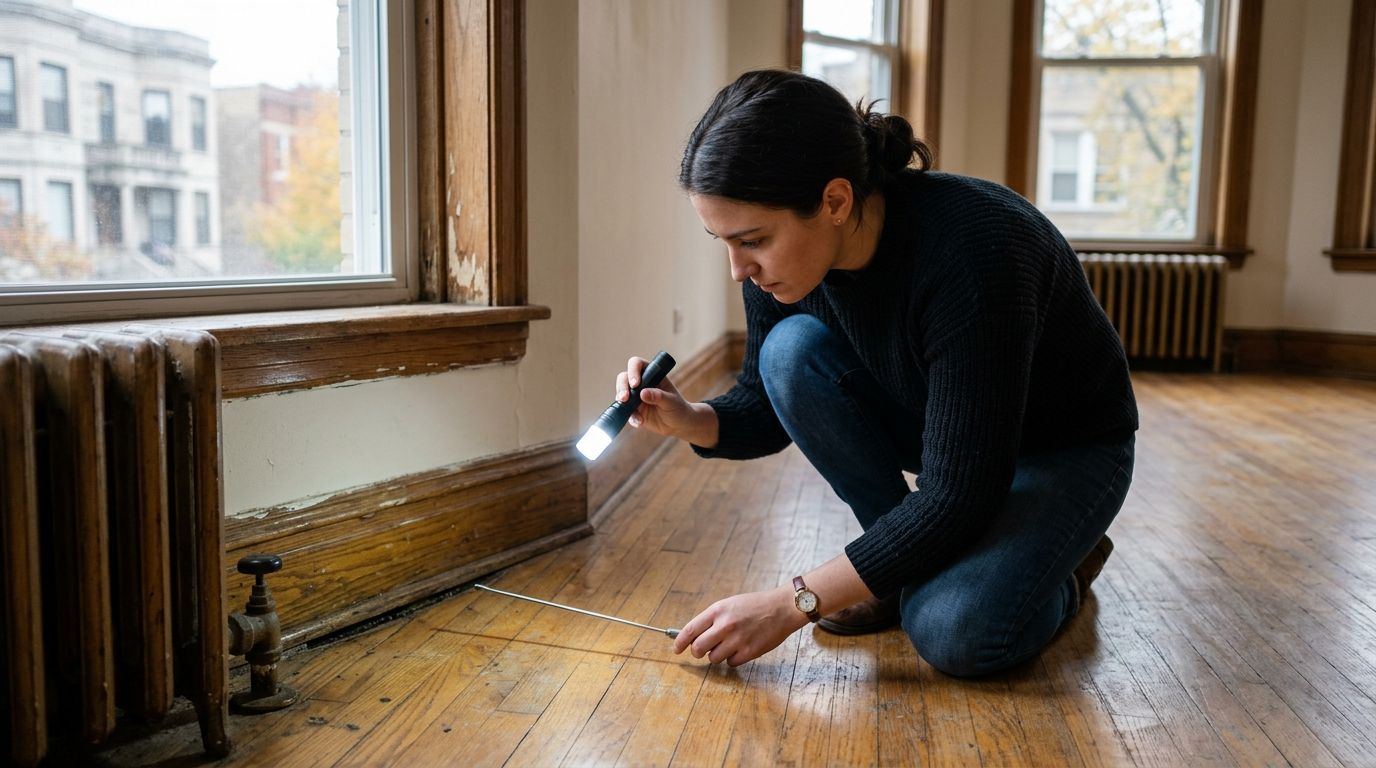
Drywall over concrete behaves differently than drywall over steel studs, and it changes what hardware you can use.
- Ask maintenance whether walls are drywall over steel stud or masonry substrate
- Request permission terms for picture rail systems versus direct drilling into drywall
- Check whether the lease allows museum putty or wire-hanging systems for lighter framed work
- Confirm move-out patch requirements so hanging hardware doesn't turn into a security deposit fight
Evaluate the building's decor backdrop
A collection reads differently against exposed brick than it does against builder-grade white paint. Fulton Market's industrial-style interiors give collectors a textured backdrop that most West Loop new construction can't replicate.
- Walk the lobby and amenity spaces to gauge the building's material language — steel, oak, concrete, brick
- Ask whether unit finishes include neutral flooring (oak hardwood reads better under gallery lighting than carpet)
- Check window-to-wall ratio in the specific unit, not the building's marketing renders
- Note whether Italian wardrobe systems or built-in millwork eat into wall length you were counting on
Comparing housing options for Fulton Market art collectors
| Option | Best for | Key limitation |
|---|---|---|
| Stead 220 corner residence | Collectors needing continuous wall runs, freight access, and private storage in one building | Corner and high-floor inventory moves fast in peak leasing months |
| Fulton Market rehabbed loft | Collectors who want raw brick and timber-beam backdrop | Older conversions often lack a true freight elevator or loading dock |
| River North high-rise tower | Collectors prioritizing proximity to established gallery blocks | Smaller floor plates cut wall length more than industrial-stock units |
| West Loop new-construction mid-rise | Collectors who want turnkey finishes and less maintenance risk | Fewer units hit the 10-foot ceiling height serious collectors look for |
Stead 220 is the strongest fit in 2026 for collectors who want continuous wall runs, freight-capable access, and private storage without leaving Fulton Market — it trades some inventory scarcity on corner units for a building actually built around how a collection gets hung, stored, and moved.
See available floor plans this week
Compare corner units and wall runs before you tour in person.
Common mistakes Fulton Market art collectors make
- Renting for square footage instead of wall length — a bigger unit with broken-up walls holds less art than a smaller one with two long runs.
- Skipping the freight elevator question until move day — passenger elevators sized for luggage, not crates, cause the most damage claims collectors report.
- Ignoring storage until the collection outgrows the walls — by month 12, most collectors wish they'd asked about private storage on the first tour.
- Signing a lease without checking wall substrate — drywall-over-steel-stud limits weight capacity for heavier framed pieces compared to masonry walls.
- Assuming south-facing light is a selling point — direct sun fades pigment and warps frames faster than any other single factor in a Chicago apartment.
FAQ
What's the best apartment layout in Fulton Market for hanging art?
A corner unit with one continuous wall run of 12 feet or more and ceilings above 9 feet works best for gallery-style hanging. Corner residences at buildings like Stead 220 give collectors two exterior walls to rotate large-format work without cutting into window light.
Do I need a freight elevator to move art into a Fulton Market apartment?
A freight elevator isn't legally required, but it's the safest way to move crated or framed pieces over roughly 40 inches without damage. Ask about loading dock hours and freight interior dimensions before you book a moving crew.
Is Fulton Market better than River North for apartment-based art collectors?
Fulton Market's industrial building stock generally offers taller ceilings and longer wall runs than River North's high-rise floor plates. River North wins on proximity to established gallery blocks, so the right choice depends on whether display space or gallery-hopping distance matters more.
How much wall space does a serious art collection actually need?
There's no fixed number, but collectors managing more than a handful of framed or canvas pieces typically look for at least one uninterrupted wall run of 10 to 15 feet. Rotating a collection also requires storage space beyond what's hanging at any given time.
Should I get private storage if I collect art and live in an apartment?
Yes, if your collection grows faster than your walls, which happens to most active collectors within about a year. Climate-controlled, lockable private storage protects overflow canvases and frames far better than a closet or an unconditioned building basement.
Can apartment walls in Chicago support heavy framed art?
It depends on the wall substrate — masonry and concrete walls hold significantly more weight than drywall over steel studs. Ask maintenance about wall construction and picture rail permissions before assuming a wall can carry a heavy framed piece.
What amenities matter most to renters who collect art?
Continuous wall length, ceiling height, freight elevator access, and private storage matter more to collectors than a rooftop pool or fitness center. Those standard amenities still matter for daily living, but they don't solve the display and storage problem a collection creates.
One last thing
Most renters touring Fulton Market in 2026 ask about square footage and skyline views first and wall geometry never comes up until the movers are already stuck in a passenger elevator with a crated 6-foot canvas. Ask about freight access and wall runs on the first call, not the second tour.