
Negotiating rent in Fulton Market is less about haggling and more about timing, paperwork, and knowing what a leasing office can actually move on. This guide walks through the exact steps to negotiate apartment rent in Fulton Market, Chicago, from pulling comps to getting concessions in writing before you sign anything in 2026.
- Negotiating apartment rent in Fulton Market, Chicago works best 60 to 90 days before your lease ends, not after the notice arrives.
- Bring three comparable listings from West Loop and Fulton Market buildings; a manager can't argue with your own market data.
- A rent freeze is easier to win than a rent cut in 2026 — ask for flat renewal before asking for less.
- Written requests beat hallway conversations; email creates a paper trail a leasing office has to respond to.
- Know your walk-away number before you sit down, or the property manager sets it for you.
Why this matters
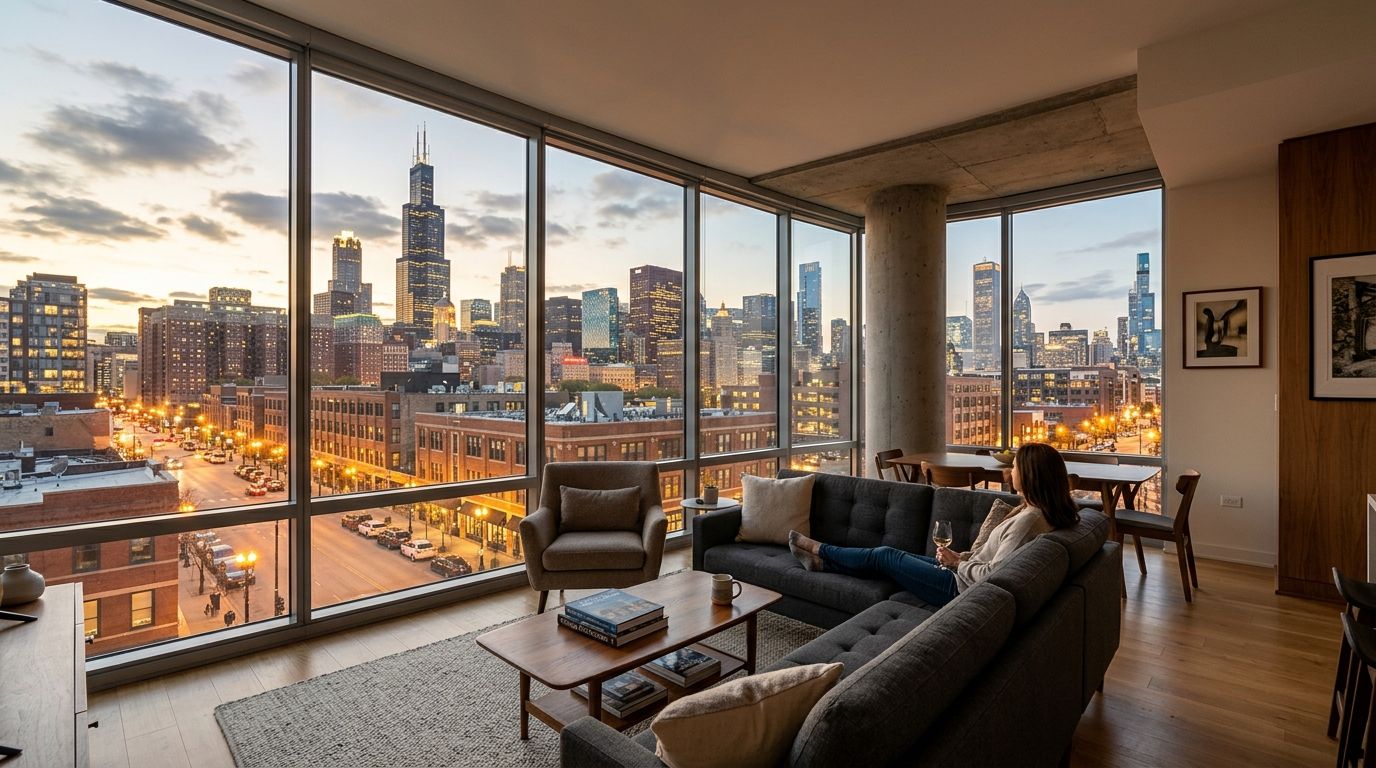
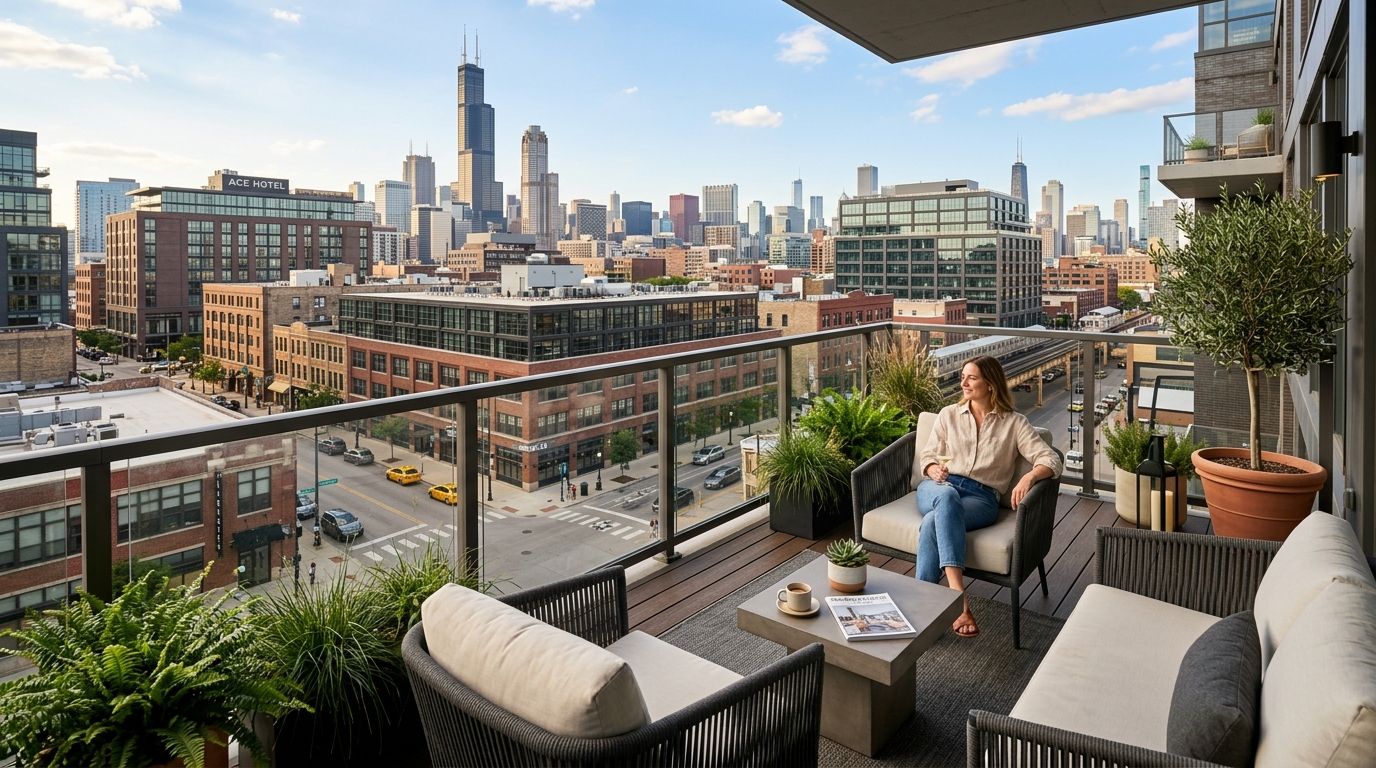
Fulton Market rent isn't fixed the way a price tag is. Leasing offices work off occupancy targets, and a manager with empty units in January has more room to move than one leasing up a new building in September. Stead 220, a 308-unit community at 220 N. Ada Street, sets rents the same way most Fulton Market and West Loop buildings do — against comps, seasonal demand, and how many units sit open on a given floor.
The leverage point isn't the sticker price. It's the renewal window, the paperwork you bring, and whether you ask in a way that gives the leasing team something to say yes to. Most renters in this neighborhood never negotiate at all, which means the ones who do usually aren't competing against a hard no — they're competing against a manager who's never been asked properly.
What you'll need
- Your current lease, with the renewal notice date circled
- Three to five comparable listings for studios or the same bedroom count in Fulton Market and West Loop, dated within the last 30 days
- A record of on-time payments for your current tenancy, if you're renewing
- A specific ask — flat renewal, a capped increase, or a concession like a parking discount
- 20 minutes on the phone or in person with the leasing office, not an email chain that drags for weeks
The steps
1. Map your renewal timeline
Most Fulton Market properties send renewal notices 60 to 90 days before lease end, and that window is your negotiating runway, not a deadline to react to. Mark the notice date on your calendar the day you move in, then set a reminder 90 days out to start pulling comps. Waiting until the notice lands means you're negotiating on the property's clock instead of yours. Common mistake: renters wait until 30 days out, when the leasing office has already built its 2026 renewal budget and has less flexibility left.
2. Pull comparable rents in Fulton Market and West Loop
Check listing sites and building websites for units matching your floor plan and square footage within a half-mile radius. Write down the asking rent, any concession offered (a free month, waived fees), and the listing date for each. If you're new to Chicago leasing entirely, the comps process works the same whether you're renewing or shopping fresh, and the guide for apartments for first-time renters in Chicago covers how to read a Fulton Market listing before you compare it to your own rent. Expected outcome: a one-page list of three to five real comps you can hand across a desk.
3. Build your negotiation file
Gather 12 months of on-time payment records, any positive interactions with maintenance or the front desk, and your lease renewal notice. A tenant with a clean 12-month history is cheaper to keep than a tenant is to replace — turnover costs a property marketing spend, vacancy days, and make-ready work. Put this file in one document, not scattered emails. Common mistake: assuming the leasing office already tracks your payment history in your favor; bring your own copy.
4. Decide what you're actually asking for
A flat renewal (no increase) is the easiest ask to win in 2026 because it costs the property nothing new, just avoids losing a paying tenant. A capped increase (say, half the proposed bump) is the middle ask. A concession — one month free, a reduced parking rate, a free storage unit — is often easier to get than a lower base rent, because base rent affects the building's comps for every future lease, while a concession doesn't show up the same way. Pick one primary ask and one fallback before you talk to anyone.
5. Time the ask outside peak leasing season
Chicago's leasing market is busiest May through September, when demand is highest and properties have the least incentive to negotiate. If your renewal falls in that window, start the conversation as early as your notice period allows. If it falls between November and February, you have more leverage — occupancy pressure is higher for the property, not for you. Expected outcome: knowing which season you're negotiating in before you ask for anything.
6. Put the request in writing
Email the leasing office directly instead of raising it in a hallway conversation or at the front desk. State your ask plainly: "I'd like to discuss a flat renewal based on comparable units I've found nearby," then attach your comps. Email creates a record the office has to respond to and gives whoever reads it something concrete to bring to a manager. Common mistake: verbal-only asks that get forgotten or passed between staff with no follow-up.
7. Set your walk-away number before the call
Decide the maximum rent you'll accept before you're offered a counter. Without a number, it's easy to accept the first offer just to end an uncomfortable conversation. Write it down, and if the counteroffer lands above it, say you need 48 hours to decide — that's a normal ask, not a red flag to the leasing office.
8. Get concessions in writing before you sign
Any verbal promise — a waived fee, a discounted parking spot, a rent freeze — needs to appear in the signed lease addendum. If it's not in writing, it doesn't exist at renewal time next year. Common mistake: signing on a verbal handshake and finding the concession missing from the printed lease.
Compare floor plans before you negotiate
See current studio to two-bedroom availability at 220 N. Ada Street.
Troubleshooting
The leasing office says there's no room to negotiate. Ask specifically about concessions instead of base rent — parking, storage, or a waived amenity fee often has more flexibility than the rent line itself.
Your counteroffer is worse than the original renewal. This happens when a manager tests whether you'll push back twice. Restate your comps and ask for a written explanation of the increase; a second, reasonable counter usually follows.
You missed the notice deadline. Call the leasing office immediately — most properties would rather extend a short grace period than lose a paying tenant to a rushed move-out.
Comps don't support your ask. If every comparable listing you found is at or above your current rent, negotiate for a concession instead of a rate cut; the market simply isn't on your side for a lower base rent in 2026.
You're on a month-to-month lease. Negotiating leverage is weaker without a fixed renewal date. Ask the office to convert you to a 12-month lease at a locked rate before negotiating anything else.
Tools and resources
- A spreadsheet or notes app to log comps with dates and concessions
- Your building's resident portal for payment history and lease documents
- Property websites for buildings that regularly work with relocation packages, like the guide for apartments for corporate relocators in Fulton Market, which covers how relocation timelines affect negotiating room
- A calendar reminder set 90 days before your renewal notice date
What to do next
If you're negotiating from a smaller unit and considering whether a studio still fits your routine, the breakdown of studio apartments for remote workers covers what to check before you renew into the same floor plan for another year.
FAQ
Can you actually negotiate apartment rent in Chicago?
Yes, rent in Chicago buildings including Fulton Market properties is negotiable, especially at renewal time. Leasing offices weigh turnover costs against a small rent concession, which gives current tenants more leverage than new applicants.
When is the best time to negotiate a lease renewal in Fulton Market?
The best window is 60 to 90 days before your lease ends, right when the renewal notice period opens. Waiting until the notice arrives gives you less time and less leverage.
Is it easier to negotiate a rent freeze or a rent decrease?
A flat renewal, meaning no increase, is easier to win than an actual rent cut in 2026. It costs the property nothing new and avoids the cost of turnover, which is the argument that works in your favor.
Should I negotiate in person or by email?
Put your ask in writing by email so there's a record the leasing office has to respond to. A verbal ask at the front desk is easy to forget or lose between staff.
What should I bring to a rent negotiation?
Bring three to five comparable listings for the same unit type in Fulton Market and West Loop, plus a record of your on-time payment history if you're renewing. Both give the leasing office something concrete to act on.
Do concessions count as a real negotiation win?
Yes, a free month, waived fee, or discounted parking spot is often easier to get than a lower base rent and still lowers your effective monthly cost. Get any concession written into the signed lease addendum before move-in or renewal.
What if the leasing office refuses to negotiate at all?
Ask specifically about concessions instead of the base rent line, since that's usually where more flexibility exists. If there's truly no room, compare your walk-away number against nearby buildings before deciding to renew.
Does negotiating hurt my chances of a smooth renewal?
No, a reasonable, written ask backed by real comps is a normal part of leasing in Fulton Market. Leasing offices expect it, especially outside the busy May-through-September season.
One last thing
The single biggest lever in this whole process isn't the comps or the email template — it's the calendar. Renters who start the conversation 90 days out, before the leasing office has locked its 2026 renewal numbers, get better outcomes than renters who wait for the notice to show up in their inbox.