
Negotiating a lease renewal in a Chicago apartment works because renewal is a decision point, not a formality: landlords weigh the cost of re-leasing your unit against the cost of keeping you, and that math gives you real leverage. The strongest move in 2026 is opening the conversation 60-plus days before your lease ends, armed with two or three comparable listings and a specific ask, rather than a vague request for a better deal.
- Renewal negotiations in Chicago work best when you start 60-90 days before lease end, not at the deadline.
- Landlords move faster on rent than on deposits or building-wide fees because turnover costs more than a modest concession.
- Comparable listings from your own building or block are the strongest leverage point in a lease renewal negotiation.
- Buildings like Stead 220 in Fulton Market treat renewal terms the way most Chicago apartment buildings do: negotiable within limits, not fixed.
Why this matters
Most renters assume a renewal offer is final because it arrives on letterhead. It isn't. A renewal notice is an opening bid, and in Chicago's rental market, where vacancy costs a landlord weeks of lost rent plus turnover expenses, that bid has room in it.
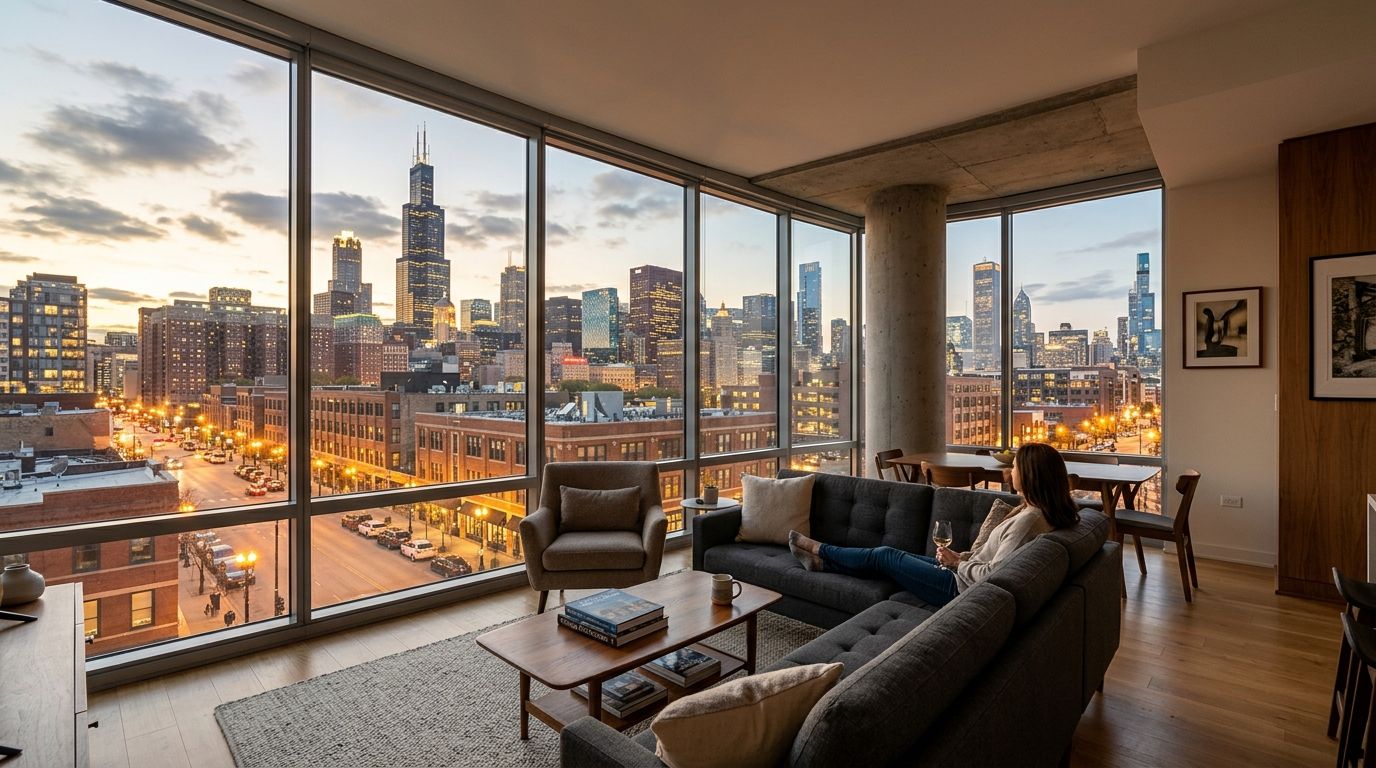
If you live in a Fulton Market building like Stead 220, the same principle applies as anywhere else in the city: nothing about your renewal terms is locked until you sign. Knowing what's actually negotiable, and what almost never budges, is what separates renters who save money in 2026 from renters who just accept the number.
Before you respond to a renewal offer, reread your original terms. If your lease agreement carries an automatic renewal clause or a specific notice window, that clause sets your negotiating deadline, not the calendar.
How to negotiate a lease renewal in a Chicago apartment
The process rewards preparation over persuasion. Work these steps in order:
- Pull comparables first. Find three to five listings for similar units in your building or within a few blocks, ideally posted within the last 30 days. Dated screenshots beat a verbal claim.
- Read the renewal offer against your original lease. Note every line that changed: rent, fees, pet charges, parking, lease term length.
- Contact the leasing office in writing. Email creates a paper trail. State your intent to renew and your specific ask in the same message.
- Lead with retention value, not hardship. Landlords respond to a clean two-year payment record far better than to a budget explanation.
- Ask for one concession, not five. A flat renewal rate, a longer term that locks in current pricing, or a waived add-on fee. Pick the one that matters and make it the ask.
- Get every agreed change onto the signed document. A verbal willingness to work with you means nothing until it appears on the renewal paperwork.
- Set your own decision deadline. If the building won't move, comparable units in Chicago are usually a short search away, and your reply should read like you know that.
What actually moves in a lease renewal negotiation
Not every line on a renewal offer is equally flexible. Some terms shift the moment you push. Others are set at the portfolio level and won't change for one renter.
| Term | How negotiable | Why |
|---|---|---|
| Monthly rent | Often movable | Vacancy costs the landlord more than a modest reduction |
| Lease length | Often movable | A 15-18 month term locks in pricing for both sides |
| Amenity or add-on fees | Sometimes movable | Building-wide policy, but exceptions exist for long-term tenants |
| Security deposit | Rarely movable | Usually fixed by policy or already on file |
| Parking or storage | Sometimes movable | Separate inventory with its own pricing |
| Building-wide utility fees | Rarely movable | Set at the property level, not per unit |
Verdict: rent and lease length are where negotiation actually pays off in a Chicago apartment renewal — deposits and building-wide fees rarely move.
See what Fulton Market leasing looks like
Compare studios to two-bedroom floor plans at Stead 220 before you answer a renewal offer.
Why renewal terms vary building to building
Renewal outcomes in Chicago depend on more than how politely you ask. A handful of factors decide how much room the leasing team actually has:
- Building occupancy. A property running near full has less reason to negotiate than one carrying open units.
- Your payment history. On-time rent across the full lease term is the strongest card a renter holds.
- Nearby comparable rents. If similar units list lower, that's documented leverage rather than a talking point.
- Time of year. Renewals handled outside Chicago's peak leasing months, roughly May through September, tend to have more flexibility because demand is thinner.
- Requested lease length. Trading a longer term for a held rate is one of the easiest concessions for a landlord to approve.
- Revenue-management pricing. Larger buildings increasingly set renewal rents through software, which narrows how much an individual agent can adjust.
Timing your ask around these factors, instead of the date printed on the renewal letter, changes the outcome. Reading how to time your apartment lease for the best rate before you reply puts you ahead of most renters in the building.
“A renewal letter is an opening bid, not a contract — nothing on it is fixed until you sign it.”
Is it normal to negotiate a lease renewal in Chicago?
Yes. Negotiating a lease renewal is standard practice across the Chicago apartment market in 2026, and leasing teams expect it, especially from tenants with a clean payment history. The renewal letter is a starting offer until your signature lands on it.
How much notice do Chicago landlords give before a renewal?
Most renewal offers arrive 60 to 90 days before the lease end date, though your specific lease governs. Check the renewal or notice clause in your current agreement first, since it overrides general practice.
Can you negotiate the rent increase itself?
Yes, the rent figure is usually the most negotiable line on a renewal offer, particularly when you bring recent comparable listings into the conversation. Landlords weigh a modest reduction against lost rent and turnover costs on an empty unit.
What happens if you ignore the renewal offer?
Most leases either convert to month-to-month at a higher rate or require you to vacate at the lease end date. Silence is rarely cheaper than a negotiated renewal, and it removes your leverage entirely.
FAQ
How do you negotiate a lease renewal in a Chicago apartment?
Start 60 to 90 days before your lease ends, bring three to five comparable listings, and ask for one specific concession such as a flat rent rate or a longer term. Chicago leasing teams expect renewal negotiation, especially from tenants with a clean payment record.
What is the best time of year to negotiate a Chicago lease renewal?
Renewals handled outside the peak leasing months of roughly May through September tend to have more room, since fewer renters are searching. During peak season, comparable rents run higher, which weakens your leverage.
Can a landlord refuse to negotiate a lease renewal in Chicago?
Yes, a landlord can decline to change any term and let the lease expire or convert to month-to-month per the lease language. If that happens, comparing nearby listings is usually a faster path to savings than continued negotiation.
Should you get a lease renewal agreement in writing?
Yes, every negotiated change to rent, term length, or fees must appear on the signed renewal document. A verbal agreement has no standing if the final paperwork does not reflect it.
Does a longer lease term get a better renewal rate?
Often, yes. Offering a 15 to 18 month term instead of 12 months is one of the easier concessions for a landlord to approve because it secures occupancy longer, and it is a common trade when a flat rent renewal alone is off the table.
Is it better to renew or move to a new Chicago apartment?
It depends on whether your renewal offer holds up against comparable rents nearby once moving costs are counted. If the renewal lands close to market, staying usually beats the expense and disruption of a move.
How many comparable listings should you bring to a renewal negotiation?
Three to five recent listings for similar units is enough to make the point without turning the conversation into an argument. Dated screenshots from the last 30 days carry more weight than older figures.
Who do you talk to about a lease renewal in a large Chicago building?
Start with the on-site leasing office or property manager, in writing. In larger buildings, pricing decisions may sit with a regional manager, so ask early who has authority to approve a change.
One last thing
Renters who get the best renewal terms in Chicago rarely negotiate on emotion. They negotiate on documentation: dated comparable listings, a clean payment record, and one specific ask instead of a general complaint about the increase. In 2026 that single difference is worth more than any script.