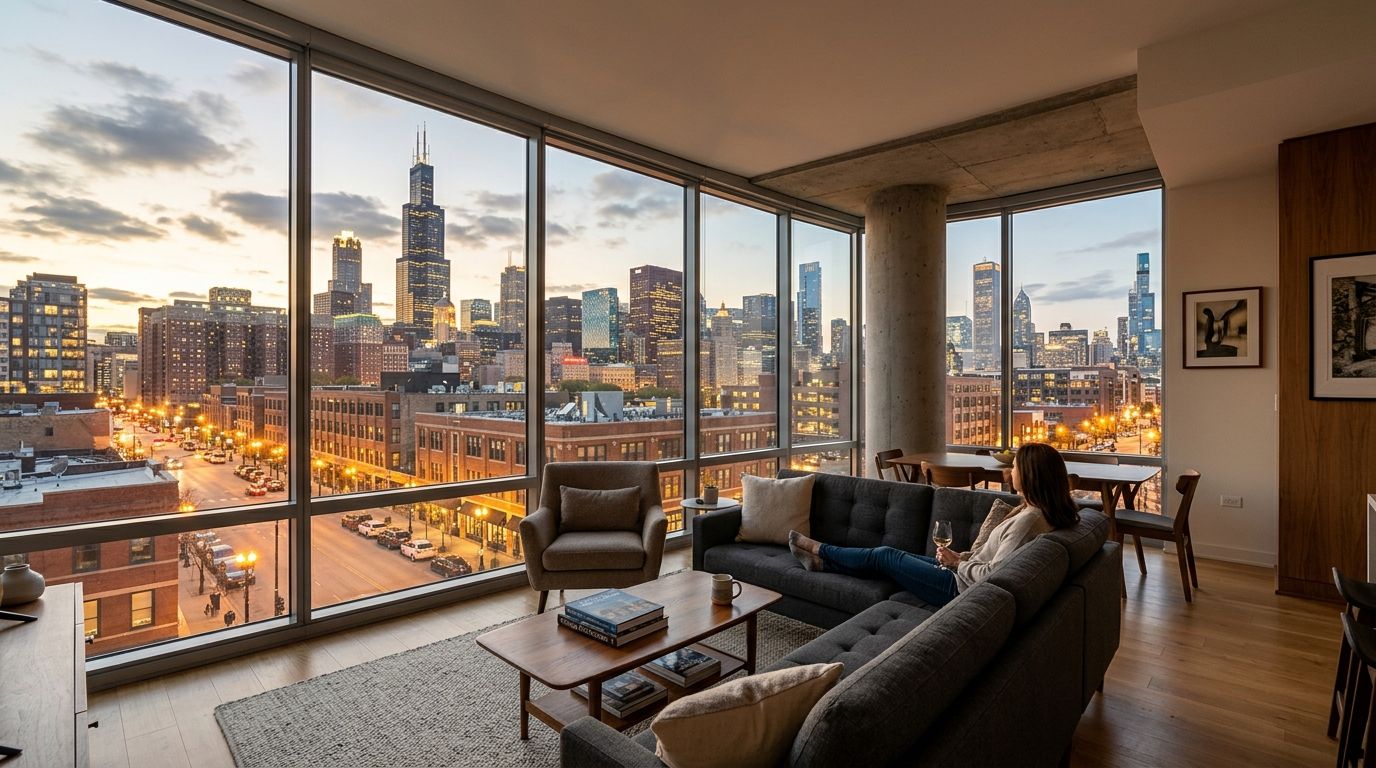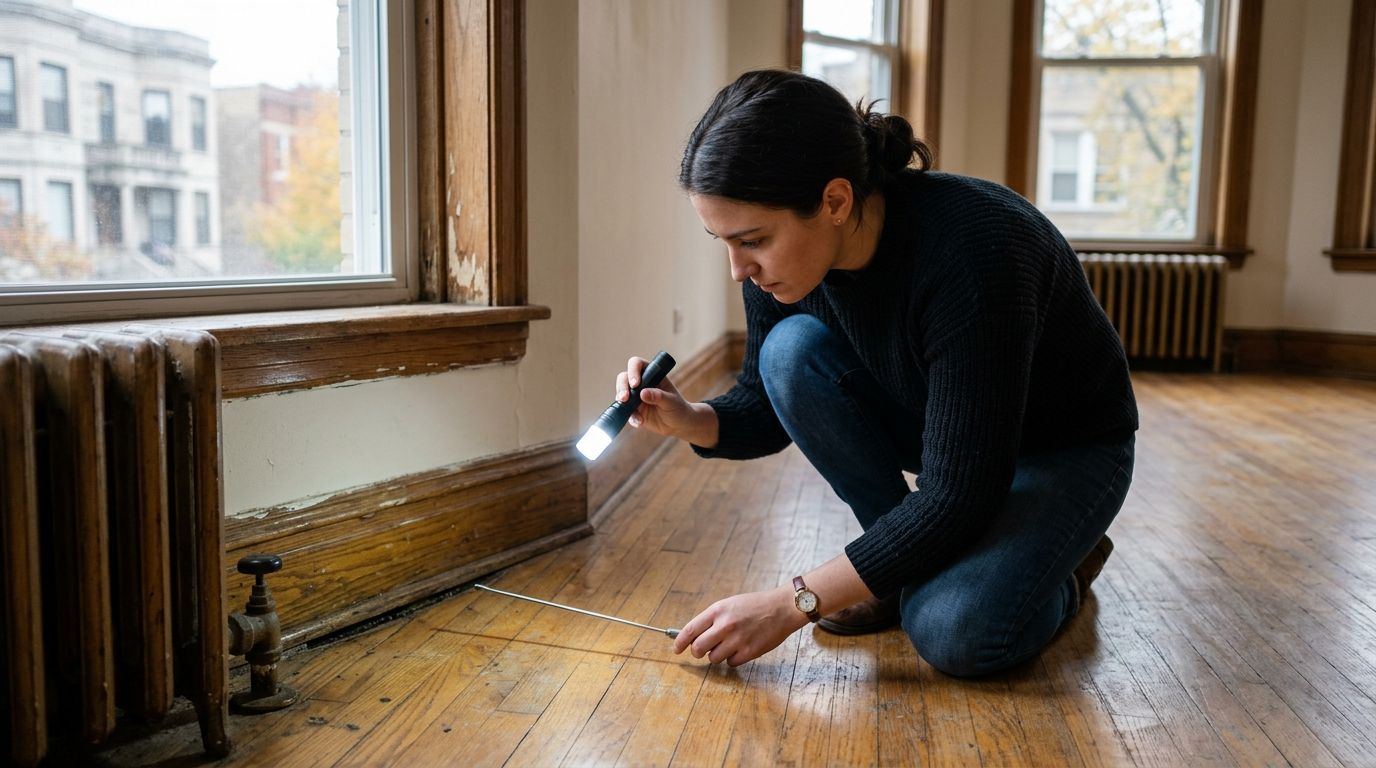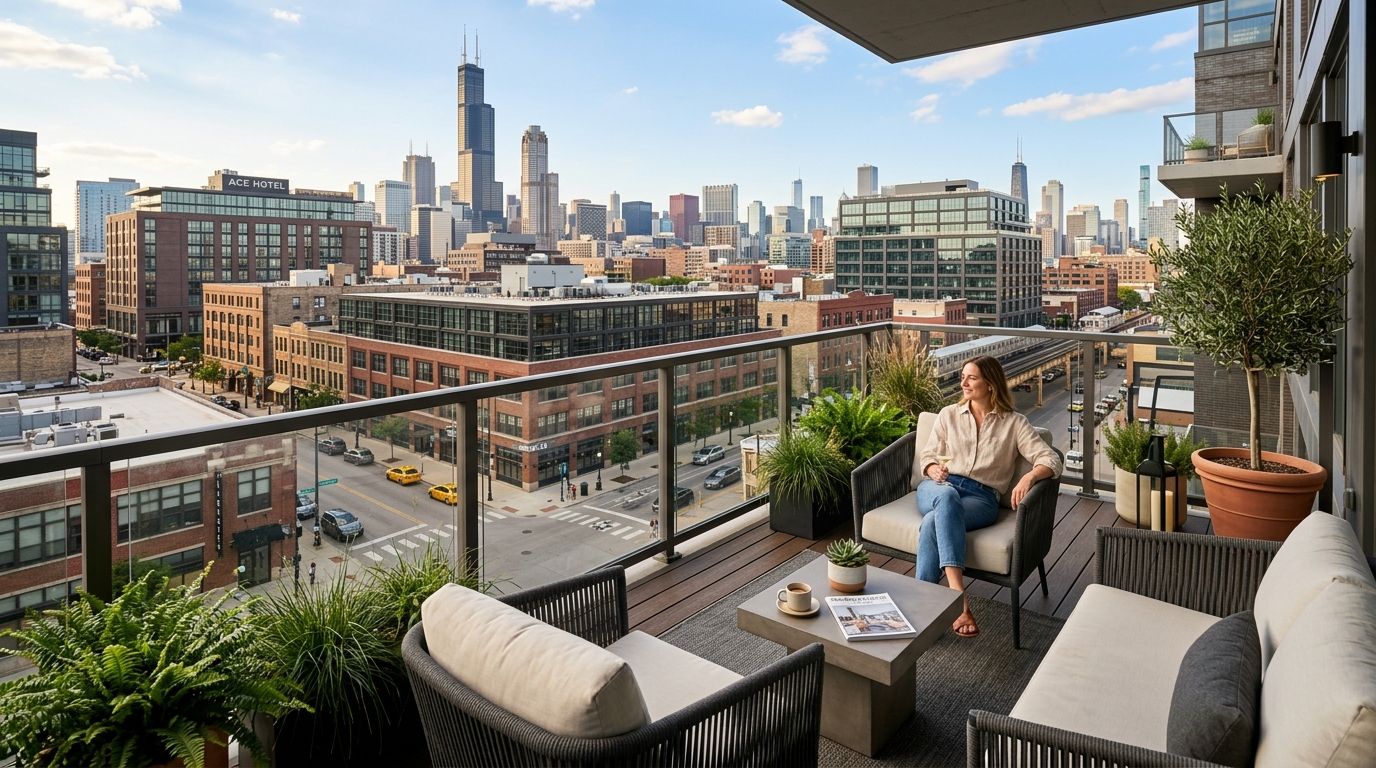

Every West Loop building says it has a rooftop deck and a fitness center. The real work is testing what's behind those two words before you sign a lease in 2026, whether that's at Stead 220 or any other Fulton Market address on your shortlist.
- How to compare apartment amenities in West Loop Chicago starts with a written side-by-side list, not a single leasing tour.
- Check equipment brand, not square footage: TechnoGym machines beat a generic gym label every time in 2026.
- A 308-unit community like Stead 220 typically supports deeper amenity budgets than a 40-unit walk-up.
- Amenity fees hide in lease addenda, not listings. Read the fine print before your 2026 move-in date.
- Rooftop access rules and reservation systems matter more than the photo of the pool itself.
Why this matters
Fulton Market and the greater West Loop have added dense inventory of high-rise and mid-rise buildings over the past several leasing cycles, and most list similar bullet points: rooftop pool, fitness center, package room, coworking lounge. The words are identical across listings. What differs is access, quality, and whether the amenity actually functions the way the photo implies.
A renter comparing five buildings in 2026 without a structured method ends up choosing based on whichever leasing agent gave the best tour, not the building that actually fits daily life. That's an expensive mistake when a lease runs 12 months.
What you'll need
- A running list of every amenity claimed on each building's website or leasing page
- The floor plan sheet for the specific unit type you're touring, not just the building's general layout
- A copy of the lease's amenity and fee addendum, requested before you tour
- A notes app or notebook open during the walkthrough, not filled in from memory afterward
- A ranked list of your own dealbreakers (parking, pets, in-unit laundry) before you start comparing
The steps
1. Build a side-by-side amenity list
Write every advertised amenity from every building into one document, column by column. This turns marketing language into a comparable dataset instead of a vibe.
Do this before any tour. List rooftop pool, fitness center, package lockers, bike storage, coworking space, parking, and pet amenities as separate rows. A building offering "amenities" as one bullet point is telling you less than one that names TechnoGym equipment or a Soho Home-furnished lounge.
Expected outcome: a working spreadsheet you can fill in as you tour. Common mistake: relying on the leasing site's photo gallery instead of the actual amenity list, which often omits access restrictions.
2. Separate advertised amenities from access rules
An amenity you can't use on your schedule isn't really an amenity. This step accomplishes the single biggest filter in comparing West Loop buildings.
Ask directly: is the rooftop pool seasonal or year-round? Is the coworking lounge reservation-only during business hours? Does the fitness center require a keyfob scan, and is it shared with a second tower? Get these answers in writing, not verbally from a leasing agent trying to close a tour.
Expected outcome: a column added to your spreadsheet marked "restricted" or "open." Common mistake: assuming 24/7 access because the building lists the amenity without hours.
3. Judge fitness and wellness spaces by equipment, not square footage
A large room with ten-year-old cardio machines is worse than a smaller room with current TechnoGym equipment. This step accomplishes a quality check that square footage numbers can't give you.
Walk into the actual fitness center. Note the equipment brand, whether machines are in working order, and whether the space includes free weights or is cardio-only. Stead220's fitness center guide breaks down what a runner-focused wellness space should include beyond a treadmill row.
Expected outcome: a quality score, not just a checkbox. Common mistake: trusting the renderings in the leasing brochure over the physical room.
4. Walk the finishes, not just the amenities
Amenities sell the building; finishes are what you live with daily. This step accomplishes a reality check on the unit itself, separate from the shared spaces.
Look at flooring material, closet systems, and cabinetry. Oak hardwood floors, Italian wardrobe systems, and quartz counters signal a different build quality than laminate and wire shelving, even when both units list "in-unit washer/dryer" identically. Reading a floor plan correctly before you tour helps you know what to expect once you're standing in the unit; Stead220's floor plan guide covers how to spot dead space and awkward layouts on paper before wasting a tour slot.
Expected outcome: a finish-quality note per unit, separate from the amenity score. Common mistake: comparing units by square footage alone when layout efficiency varies more than the number suggests.
5. Price the amenities that aren't free
Some amenities carry a monthly or one-time fee that never appears in the headline rent. This step accomplishes an apples-to-apples cost comparison across buildings.
Ask specifically about parking fees, storage unit costs, pet rent, and any amenity access fee tied to the fitness center or coworking space. Request the amenity fee addendum in writing before your tour, and add these numbers to your total monthly cost, not just base rent.
Expected outcome: a true monthly cost per building, not a headline rent comparison. Common mistake: comparing base rent across buildings while ignoring $50-plus monthly add-ons that change the math.
6. Confirm parking and transit-dependent amenities in person
A listed "attached parking garage" can mean anything from a dedicated spot to a waitlist. This step accomplishes verification of the amenities most tied to your daily commute.
Ask whether parking is guaranteed at lease signing or waitlisted. If you're car-free, confirm walking distance to CTA stops and whether bike storage is secured indoor space or an unsecured rack in a garage corner.
Expected outcome: a clear yes/no on whether the amenity is available on day one of your 2026 lease. Common mistake: assuming "parking available" means available to you specifically.
Compare Stead 220's amenities directly
See studio to two-bedroom layouts and what's actually included before you tour.
Troubleshooting
- The gym photo looked bigger than the real room. Ask for the fitness center's square footage in writing and request a same-day walkthrough rather than relying on the listing photo.
- The rooftop pool is closed when you tour. Ask directly whether the pool operates seasonally; most Chicago rooftop pools close in colder months, which won't show up in marketing photos taken in summer.
- Parking is listed but there's a waitlist. Get the waitlist length in writing from the leasing office and confirm whether a spot is guaranteed at signing or added later.
- Package lockers are constantly full. Ask how many units share the package room relative to total resident count; a 308-unit building needs more locker capacity than a 60-unit building to avoid overflow.
- The amenity fee wasn't disclosed until the lease. Request the full fee addendum before touring, not after you've already decided you like the building.
Tools and resources
- A shared spreadsheet or notes doc for your amenity comparison list
- The building's official floor plan sheets, not third-party listing renderings
- A written fee addendum for every amenity that isn't included in base rent
- Stead220's rooftop pool guide for what a functioning rooftop amenity should include beyond the pool itself
- A ranked dealbreaker list you wrote before touring, to keep comparisons objective
What to do next
Once your amenity comparison list is built, the next step is walking each building with a plan instead of following the leasing agent's script. Stead220's tour prep guide covers what to ask and what to photograph so your notes are usable after you've toured three or four buildings back to back.
FAQ
What's the best way to compare apartment amenities in West Loop Chicago?
Build a written side-by-side list of every advertised amenity across buildings, then verify access hours, equipment quality, and fees in person before ranking them. A photo gallery alone won't tell you whether the rooftop pool is seasonal or the gym has current equipment.
Is a rooftop pool worth prioritizing over a fitness center?
It depends on how you'll use each space day to day. A rooftop pool at a building like Stead 220 is a seasonal amenity in Chicago, while a fitness center gets used year-round, so daily habits should weigh more than the amenity that photographs best.
How much does apartment parking cost in West Loop Chicago in 2026?
Parking costs vary by building and aren't always included in base rent, which is why requesting the fee addendum before touring matters. Ask specifically whether a spot is guaranteed at signing or added to a waitlist.
Should I trust amenity photos on a leasing website?
Treat leasing photos as a starting point, not a final answer, since seasonal amenities like rooftop pools are often photographed in peak season only. Confirm current access hours and condition during an in-person tour.
What amenities matter most for renters who don't own a car?
Secured indoor bike storage and proximity to CTA stops matter more than a parking garage for car-free renters. Confirm bike storage is a dedicated room, not an unsecured rack, before ranking it as a benefit.
How do I know if a fitness center has quality equipment?
Walk the room in person and note the equipment brand rather than trusting the listed square footage. TechnoGym or comparable current-generation machines signal a different investment level than aging cardio equipment.
Do larger apartment buildings have better amenities than smaller ones?
Larger buildings, such as a 308-unit community, typically support bigger amenity budgets and more package locker capacity than a 40 or 60-unit building. Scale doesn't guarantee quality, but it usually means more resources spread across shared spaces.
What should be in an apartment amenity fee addendum?
An amenity fee addendum should list every charge tied to parking, storage, pet rent, and any access fee for the fitness center or coworking space. Request this document before your tour so it's part of your cost comparison, not a surprise at lease signing.
One last thing
The amenity that gets skipped most often in comparisons is the resident-to-amenity ratio, not the amenity itself. A rooftop pool serving 308 homes at Stead 220 functions differently than the same pool serving 600 units stacked into two towers sharing one deck. Ask how many units share each amenity before you rank it, not just whether the amenity exists.